Issues
Tech
AI is collapsing the cost of building software—a quarter of YC startups now have 95% of their code written by AI, and some teams are hitting $10M in revenue with fewer than 10 people—which is shifting the scarce resource from engineering to judgment, taste, and knowing what to build. The energy grid is struggling to keep up, with data centers projected to consume 10% of US electricity by 2028, making power infrastructure the next binding constraint on the AI boom. Meanwhile, YC's Summer 2026 application window just closed, with a live side door still open through a Product Hunt launch this Friday.

$215 Billion New City Gets Historic Labor Deal

California Is Killing the Golden Goose

Airbnb's Cofounder Is Redesigning America
SF Is Winning the AI Race. Politicians Want to Kill It.

Washington's Tax Blitz Could Kill the Sonics—And the Startup Economy

Bernie Sanders Can't Explain American Innovation

Anthropic's War on Its Own Power Users

Brain Computer Interfaces Are Now Giving Sight Back to the Blind

New York Wants to Ban the AI That Outscores Doctors
The BASED Act Comes for Big Tech

SFO Is Trying to Bury Waymo

From AI Doomerism to Molotov Cocktail

The Compute Is Ready. The Grid Isn't.

Personal AI Is in Its Homebrew Computer Club Phase

The Seeker and the Builder Are the Same Person
Miss the YC Deadline? Gustaf Is Watching Friday.

Your AI Forgets Everything. GBrain and MemPalace Don't.
State Capacity
Sacramento killed two bipartisan lobbying transparency bills without a hearing, while a separate bill that could expose journalists who cover taxpayer-funded immigration nonprofits to $4,000-per-violation fines is now one committee vote from the Assembly floor. Across California, the same pattern keeps surfacing: SFMTA promised 465 affordable units it never had funding for, SFUSD approved an ethnic studies curriculum through a review designed to rubber-stamp it, and Berkeley courts blocked a disease-ridden homeless encampment cleanup for sixteen months. The throughline is governments and institutions that resist accountability while the costs land on everyone else.
Sacramento Sabotages Prop 36 After Voters Spoke
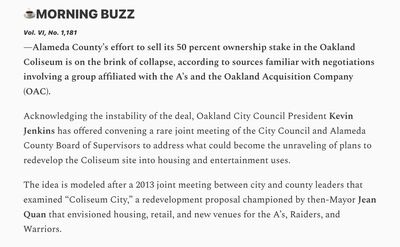
Oakland's Coliseum Fiasco: Managed by Clowns

Stanford's Fake Disability Crisis Is America's Future
California Is Killing the Golden Goose
Airbnb's Cofounder Is Redesigning America

This Citizen's Union Is Throwing a Party March 4 in Mountain View, California

BART's 'Leave Them Be' Order Burned the Transbay Tube

The San Francisco Chinatown Grift: 29 LLCs, Political Power, and Too Few New Homes

Lurie's Charter Reset Is a Masterclass

Why Is Los Angeles Spending $20M on 32 Empty Housing Units?
BART Paid Consultants to Say Fare Evasion Didn't Matter — Then Lost the Receipt

California Auditors Confirmed Billions in Fraud. The State Ignored Them.
SFO Is Trying to Bury Waymo
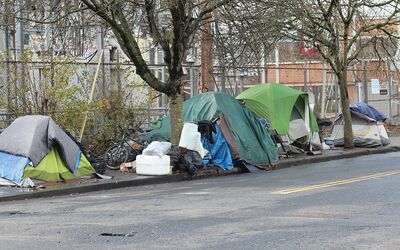
A Tropical Disease Hit a Berkeley Homeless Encampment. Courts Blocked Cleanup.

SFMTA Promised 465 Affordable Units. There Was Never a Plan to Pay for Them.

After a Rigged Review Process, SFUSD Just Approved Its New Ethnic Studies Curriculum

Exposing Nonprofit Fraud Could Come With a Price Tag

Half a Billion in Lobbying, Zero Transparency
Public Safety & Policing
AI-linked violence has escalated to arson and attempted murder in San Francisco, with a PauseAI member throwing a Molotov cocktail at Sam Altman's home and threatening OpenAI headquarters in April 2026. Meanwhile, SF's own public safety institutions are failing on multiple fronts: courts are resolving just 32% of cases and haven't reported data to the state in five years, while Oakland's gang violence data shows that targeted intervention—not broad gun policy—is what actually saves lives.

Oakland's Crime Crisis by the Numbers

Lawsuit Wants to Ban the Tech That Caught My Wife's Hit-and-Run Driver
Matt Mahan Must Be California's Next Governor
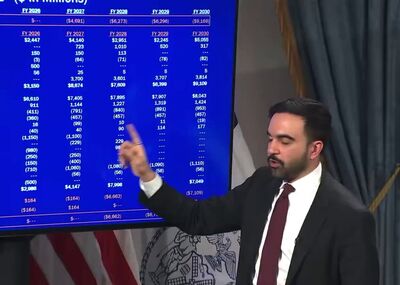
NYC's Socialist Mayor Raids the Piggy Bank
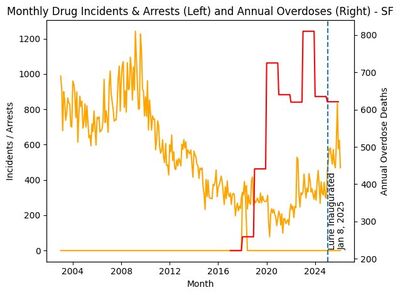
While SF stopped Prosecuting Drug Dealers, 3,700 People Overdosed
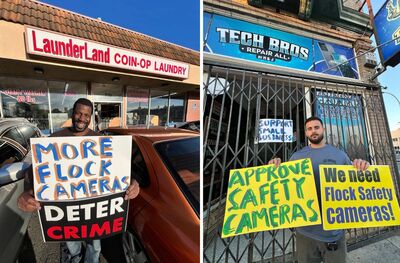
Richmond Cut Its Crime Cameras. Car Thefts Jumped 33%.

A parole officer sent an email: "Agents must not search for violations." Then two women died.

Chinatown Stabbing Victim Got No Press Conference
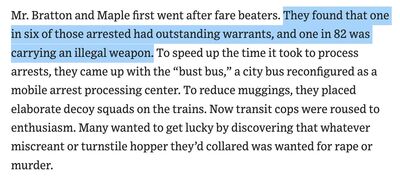
Yes, Fare Gates Actually Reduce Crime

He Killed Grandpa Vicha. Tomorrow, He Walks Free
Grandpa Vicha's Killer Was Just Released on Probation

Richmond Just Voted to Reinstate Their Flock Cameras After Crime Spiked

SF Courts Won't Show Their Work
The Easiest Way to Sell Wine in San Francisco Is Illegally
A Tropical Disease Hit a Berkeley Homeless Encampment. Courts Blocked Cleanup.

Oakland Has a Gang Problem Disguised as a Gun Problem
From AI Doomerism to Molotov Cocktail
State Politicians
California's legislature killed two bipartisan bills that would have made lobbyist influence letters public — the same basic transparency standard already met by at least ten other states — while a separate bill moving through committee could expose journalists who report on government-funded immigration nonprofits to $4,000-per-violation fines. Meanwhile, the state's own nonpartisan analysts confirm what critics have argued for years: spending has outpaced revenue by 10 points since the pandemic, producing structural deficits of $20–$30 billion annually that Sacramento has yet to seriously address.
Matt Mahan Must Be California's Next Governor
Mahan wants to fix the waste. Steyer just wants to raise taxes.

Steyer's $20 Billion "Trump Tax Loophole" Is a Lie

The Builder Class vs The Luxury Beliefs Class
The BASED Act Comes for Big Tech
California Auditors Confirmed Billions in Fraud. The State Ignored Them.
Exposing Nonprofit Fraud Could Come With a Price Tag
The Deficit California Can't Tax Away
Half a Billion in Lobbying, Zero Transparency
Merit & Excellence
Paul Graham is pushing back on AOC's claim that billionaires can't earn their wealth, arguing his two decades evaluating founders at Y Combinator proves creation—not exploitation—is what produces outsized success. Meanwhile, SFUSD just voted 6-1 to adopt an ethnic studies curriculum validated by a rigged review process, with litigation already filed the same night. Together with federal data projecting California will lose nearly a million public school students by 2031, the stakes around who controls education—and who gets rewarded for excellence—have never been higher in this state.
UC Regents Knew SAT Ban Was Wrong—Voted for It Anyway

Blanket Visa Bans Punish America's Best Immigrants
Stanford's Fake Disability Crisis Is America's Future

Noam Chomsky Denied a Genocide, Advised Epstein, and Paid No Price.

California Will Lose a Million Students
After a Rigged Review Process, SFUSD Just Approved Its New Ethnic Studies Curriculum

Yes, You Can Earn a Billion Dollars
Techno-Optimism
AI is collapsing the cost of building software—a quarter of YC startups now have 95% of their code written by AI, some hitting $10M in revenue with fewer than 10 people—while the physical infrastructure needed to power that compute is straining to keep up, with US data centers projected to consume 10% of national electricity by 2028. The energy crunch is already reshaping policy debates, with Germany's new chancellor calling his country's nuclear phase-out a "serious strategic mistake" while simultaneously declaring it irreversible. Meanwhile, the next frontier in the AI agent race is memory: open-source projects are racing to solve the problem of agents that forget everything when a session ends.
SF Is Winning the AI Race. Politicians Want to Kill It.
Anthropic's War on Its Own Power Users
Brain Computer Interfaces Are Now Giving Sight Back to the Blind
The Compute Is Ready. The Grid Isn't.
Personal AI Is in Its Homebrew Computer Club Phase
The Seeker and the Builder Are the Same Person
Your AI Forgets Everything. GBrain and MemPalace Don't.
Asset Seizure Taxes
AOC's claim that "you can't earn a billion dollars" just got fact-checked by Y Combinator's Paul Graham, who spent two decades professionally evaluating the founders who become billionaires — and his data says she's wrong. The exchange cuts to the heart of California's tax debate: whether wealth taxes targeting tech founders are a matter of fairness or a misdiagnosis of how Silicon Valley actually creates value. With Sanders and Khanna pushing a 5% annual wealth tax on unrealized gains, and California already running structural deficits of $20–30 billion a year, the stakes for getting this question right couldn't be higher.
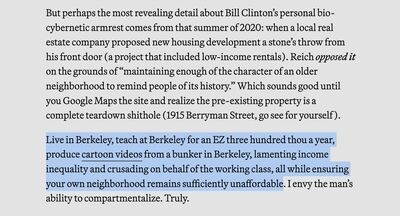
The NIMBY Millionaire Behind California's Asset Seizure

The Wealth Exodus Is Live: Watch California Die
Washington's Tax Blitz Could Kill the Sonics—And the Startup Economy
Mahan wants to fix the waste. Steyer just wants to raise taxes.
Bernie Sanders Can't Explain American Innovation

Asset Seizure: A One-Act Play
The Deficit California Can't Tax Away
Yes, You Can Earn a Billion Dollars
Criminal Justice
San Francisco's criminal justice system is under scrutiny on multiple fronts: a judge just released the killer of 84-year-old Grandpa Vicha Ratanapakdee on probation after pretrial credit math made prison time impossible, while SF's courts have gone five years without reporting a single data point to the state and resolve only 32% of cases filed. Meanwhile, new research reinforces what Oakland's Ceasefire program proved in practice—less than 0.5% of a city's population drives the majority of its violence, raising hard questions about whether San Francisco is targeting the right people at all.
Sacramento Sabotages Prop 36 After Voters Spoke
A parole officer sent an email: "Agents must not search for violations." Then two women died.
Chinatown Stabbing Victim Got No Press Conference
He Killed Grandpa Vicha. Tomorrow, He Walks Free
Grandpa Vicha's Killer Was Just Released on Probation
SF Courts Won't Show Their Work
Oakland Has a Gang Problem Disguised as a Gun Problem
Housing & YIMBY
California is projected to lose nearly one million public school students by 2031—a 15.7% collapse driven by an affordability crisis that's pushing families to Idaho, Florida, and Texas. In San Francisco, the dysfunction is on full display: SFMTA quietly gutted 365 of 465 promised affordable units from a major transit project after admitting the funding was never real, while a Chinatown housing nonprofit sits on $163 million in assets and 29 LLCs with questions mounting about financial disclosure. Across the state, a growing debate is exposing the tension between progressive housing politics and basic economics—with developers, reformers, and departing families all reaching the same conclusion.
The NIMBY Millionaire Behind California's Asset Seizure
$215 Billion New City Gets Historic Labor Deal
Matt Mahan Must Be California's Next Governor
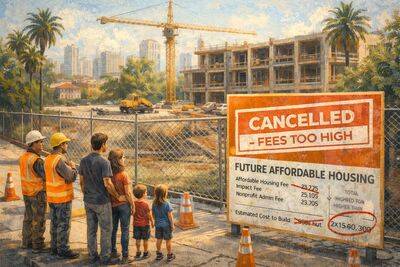
California Taxes Affordable Housing Into Oblivion
NYC's Socialist Mayor Raids the Piggy Bank
The Builder Class vs The Luxury Beliefs Class
The San Francisco Chinatown Grift: 29 LLCs, Political Power, and Too Few New Homes

The Left's Housing Math Doesn't Add Up
SFMTA Promised 465 Affordable Units. There Was Never a Plan to Pay for Them.
California Will Lose a Million Students
Budgets & Fiscal Policy
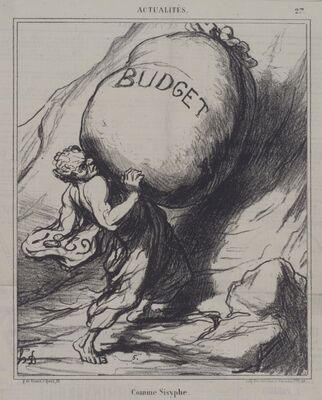
California's nonpartisan Legislative Analyst's Office just confirmed what critics have long argued: state spending grew 70% since the pandemic while revenue grew only 60%, producing structural deficits of $20–30 billion annually with no end in sight. That fiscal crisis is showing up everywhere — in a projected loss of nearly one million public school students by 2031, $20 billion in EDD fraud the state still hasn't fully answered for, and transit agencies commissioning ideology-driven reports while losing track of their own invoices.
California Is Killing the Golden Goose
California Taxes Affordable Housing Into Oblivion
The Wealth Exodus Is Live: Watch California Die
NYC's Socialist Mayor Raids the Piggy Bank
Mahan wants to fix the waste. Steyer just wants to raise taxes.
Lurie's Charter Reset Is a Masterclass
BART Paid Consultants to Say Fare Evasion Didn't Matter — Then Lost the Receipt
California Auditors Confirmed Billions in Fraud. The State Ignored Them.
California Will Lose a Million Students
The Deficit California Can't Tax Away
Homelessness & Drug Crisis
A tropical disease common in the developing world is now spreading through Berkeley homeless encampments while courts block cleanup—the latest sign that legal paralysis is making California's homelessness crisis a literal public health emergency. Across the state, billions in spending are producing little: LA just spent $20 million converting a functioning homeless hotel into 32 units that remain empty four years later, at $625,000 per unit. Meanwhile, new data shows SF's collapse in drug enforcement coincided with overdose deaths tripling to 810 per year—and the nonprofits running taxpayer-funded housing are responding by teaching residents how to use drugs more safely.

Housing Won't Fix This. It's the Drugs.
Matt Mahan Must Be California's Next Governor
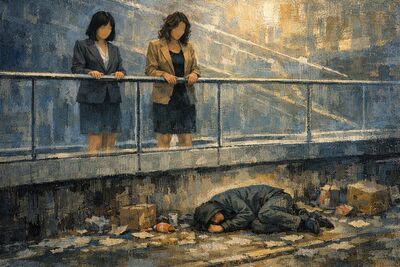
Chan and Fielder Vote to Keep People Dying on Sidewalks
BART's 'Leave Them Be' Order Burned the Transbay Tube
While SF stopped Prosecuting Drug Dealers, 3,700 People Overdosed
Why Is Los Angeles Spending $20M on 32 Empty Housing Units?
A Tropical Disease Hit a Berkeley Homeless Encampment. Courts Blocked Cleanup.
Media & Narrative
Garry's List is launching its inaugural Civic Impact Awards to spotlight the newsletters, creators, and reporters helping Californians make sense of the June 2 primary — nominations are open now. Meanwhile, AB 2624, a bill that could expose journalists to $4,000-per-violation fines for covering government-funded immigration nonprofits, is one committee vote away from the Assembly floor with no press exemption in sight.
The NIMBY Millionaire Behind California's Asset Seizure
Noam Chomsky Denied a Genocide, Advised Epstein, and Paid No Price.

Most Democrats Want Normal. Nationally It's Going Bad. In San Francisco, There's Hope.
From AI Doomerism to Molotov Cocktail
Exposing Nonprofit Fraud Could Come With a Price Tag

Introducing the Garry's List Civic Impact Awards
Asian American Issues
Antoine Watson, convicted of killing 84-year-old Vicha Ratanapakdee in a 2021 attack caught on video, walked free from a San Francisco courtroom this week after California's pretrial credit math converted five years of detention into enough "time served" to exceed his four-year involuntary manslaughter cap entirely. The case is one of several recent flashpoints exposing how San Francisco's criminal justice system is failing Asian American victims—from a broad-daylight Chinatown stabbing two days before Lunar New Year to a civil lawsuit alleging state parole officials told agents to stop looking for violations before a parolee killed two women, including 27-year-old Hanako Abe. In Sacramento, the fight over who gets protected under the law is also intensifying, with ACA-7 advancing on a party-line vote to strip Prop 209's anti-discrimination protections from California's K-12 schools.
The San Francisco Chinatown Grift: 29 LLCs, Political Power, and Too Few New Homes
A parole officer sent an email: "Agents must not search for violations." Then two women died.
Chinatown Stabbing Victim Got No Press Conference
He Killed Grandpa Vicha. Tomorrow, He Walks Free
Grandpa Vicha's Killer Was Just Released on Probation
SF Politicians
SFMTA just gutted 365 of the 465 affordable units promised atop the Potrero Yard bus facility — after eight years of community planning — because the city never actually secured funding to build them. Meanwhile, Mayor Lurie is pushing SF's first comprehensive charter reform in 30 years while clashing with progressive supervisors who blocked his drug crisis intervention program. The decisions being made now by the Board of Supervisors and the Mayor will define whether San Francisco can deliver on basic promises to residents — or keep producing $1.7M toilets and phantom housing.
CA Ballot Measures
Tom Steyer is pushing a ballot measure to close what he's calling the "Trump Tax Loophole" in Prop 13—but critics say he's inflated the revenue figure by up to 150% and slapped a new name on a 1978 Democratic law. Meanwhile, a separate SEIU-UHW ballot initiative to tax billionaires has reportedly already triggered an exodus of roughly 48 billionaires and $1.1 trillion in wealth before a single vote is cast. Both fights are shaping up as the defining fiscal battles of California's 2026 ballot season, with the state already facing an $18 billion deficit despite record revenues.
Elections & Voting Integrity
Sacramento killed two bipartisan bills that would have required lobbyist position letters to be posted online in real time — blocking a reform already standard in ten other states, while half a billion dollars in lobbying influence flows through the Capitol with minimal public scrutiny. With the June 2 primary approaching, the channel is also tracking how special interest endorsements are shaping the governor's race and whether California's Democratic primary voters will back moderates or the loud progressive fringe that polls show represents just 11% of the party.
This Citizen's Union Is Throwing a Party March 4 in Mountain View, California
The Builder Class vs The Luxury Beliefs Class
Most Democrats Want Normal. Nationally It's Going Bad. In San Francisco, There's Hope.
Introducing the Garry's List Civic Impact Awards
Half a Billion in Lobbying, Zero Transparency
Business Taxes
San Francisco's Proposition D — branded as an "Overpaid CEO Tax" — is on the June 2026 ballot and would raise gross receipts tax rates by roughly 800%, exempting major tech companies while hitting grocery stores, pharmacies, and coffee shops hardest. The tax doesn't touch CEO paychecks; businesses pay it on total revenue, and economists say those costs get passed to consumers. Meanwhile, debate over commercial property tax reform has heated up after gubernatorial candidate Tom Steyer inflated the fiscal impact of Prop 13's "split roll" loophole by up to 150%, renaming a 1978 Democratic law after Donald Trump to build political momentum.
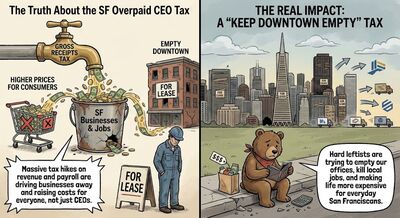
The 'CEO Tax' Scam That Will Crush Your Grocery Bill
Art Won't Save Downtown From an 800% Tax Hike

The "CEO Tax" Doesn't Tax CEOs. It Kills SF.
SF Is Winning the AI Race. Politicians Want to Kill It.
Steyer's $20 Billion "Trump Tax Loophole" Is a Lie
SF's "Overpaid CEO Tax" Will Hammer Grocery Stores and Coffee Shops
Federal Politicians
AOC's claim that "you can't earn a billion dollars" drew a sharp rebuttal from Y Combinator's Paul Graham, who argues his two decades of evaluating founders proves billionaires succeed by creating value, not exploiting people. The exchange is the latest flashpoint in a running debate over wealth, taxation, and innovation, with Sanders and Khanna's new 5% unrealized gains tax and Chakrabarti's zero-vote congressional campaign illustrating how progressive economic ideas are clashing with Silicon Valley's builder class.
Small Business & Regulation
San Francisco's permitting maze now takes six months and fees across four agencies just to legally serve wine — while stolen bottles trade openly two blocks from City Hall. Richmond, meanwhile, just voted to reinstate the Flock cameras its police chief shut down last fall, after car thefts jumped 33% and the immigrant shopkeepers the policy was meant to protect led the charge to bring them back. Across both cities, the pattern is the same: maximum friction for the law-abiding, minimum consequence for everyone else.
Transit & Safety
SFO is exiling Waymo to a remote rental car facility while Uber and Lyft keep 800,000 monthly trips from the main rideshare garage — the latest front in California's fight over autonomous vehicles and who controls transportation infrastructure. Meanwhile, BART can't account for taxpayer money spent on a consultant report arguing against fare enforcement, even as its own crime data and two encampment fires near its tracks show what happens when the system goes unenforced.
SF Ballot Measures
San Francisco's Proposition D, the so-called "Overpaid CEO Tax," is on the June 2026 ballot and would impose an roughly 800% increase in gross receipts tax rates — but critics say the measure exempts major tech companies while hammering grocery stores, pharmacies, and coffee chains like Safeway. Despite its populist branding, the tax doesn't touch CEO paychecks at all; it's levied on business revenue, meaning consumers would likely absorb the costs through higher prices. With a third of downtown office space still vacant and companies like Stripe and Schwab already having fled SF's tax burden, the stakes for the city's economic recovery are high.
Tech & Startup Regulation
New York's S7263 — which would ban AI from answering medical, legal, and other licensed-profession questions — reached the Senate floor in February and a full chamber vote is imminent, even as studies show AI outperforming doctors on diagnostic tests. Meanwhile, Anthropic and Google have moved to lock paying subscribers out of third-party tools, sparking backlash from developers who built businesses on promises that just changed overnight. How governments and companies choose to restrict AI is shaping who actually benefits from the technology — and who gets protected from it.
Skilled Immigration
Blanket visa bans targeting Venezuelan nationals are blocking even model legal immigrants from basic family visits — like a San Francisco couple known for personally stopping crimes and saving lives, who can't get a tourist visa for a grandmother to meet her newborn grandson. The case highlights a growing tension between broad immigration enforcement and America's ability to retain and support the skilled, civically engaged immigrants who strengthen communities. Critics argue blunt nationality-based bans punish exactly the people the system should reward.
Tech Antitrust & M&A
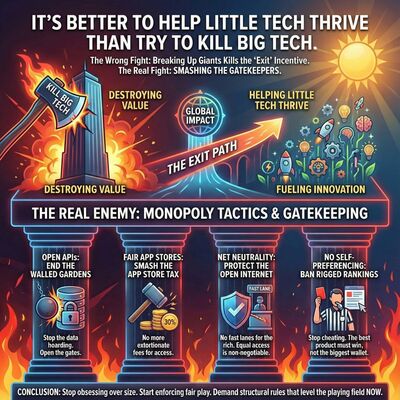
California is moving to do what Congress couldn't: SB 1074, the BASED Act, would ban Apple, Amazon, Google, Meta, and Microsoft from self-preferencing their own products, mining competitor data, and bundling marketplace access — with teeth that let consumers, businesses, and the AG all sue independently. The bill, unveiled at YC headquarters by State Senator Scott Wiener and Garry Tan, targets companies with over $1 trillion in market cap and 100 million monthly US users. If it passes, it would be the most significant platform competition law in the country.
CA Prop 36 (2024)
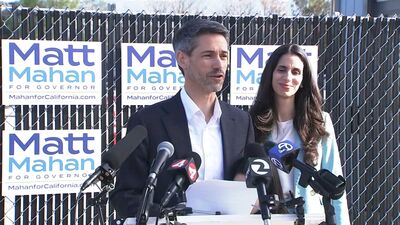
California voters passed Prop 36 by a wide margin in November 2024, but Sacramento is undermining it by refusing to allocate the funding needed for implementation—a move critics are calling an after-the-fact veto of the people's will. San Jose Mayor Matt Mahan, who has made Prop 36 enforcement a centerpiece of his criticism of state leadership, just launched a gubernatorial campaign built on the argument that California needs leaders who actually execute rather than obstruct. The fight over whether Prop 36 gets real resources may become a defining issue in the 2026 governor's race.
CA Prop 47 (2014)
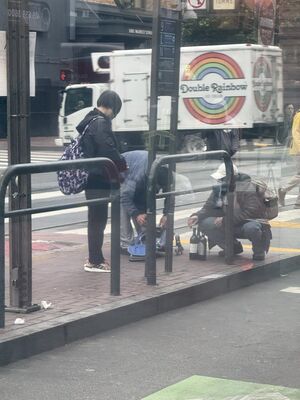
A viral post highlighting open-air stolen wine sales at 7th and Market in San Francisco has reignited debate over Prop 47's role in creating a two-tier system: months of fees and permits for law-abiding businesses, near-zero consequences for theft. Critics argue SF's regulatory burden on restaurants compounds the problem, making illegal commerce the path of least resistance. The contrast has become a flashpoint for broader frustration with how Prop 47's misdemeanor thresholds play out on the ground in California's cities.
SF Prop M (2024)
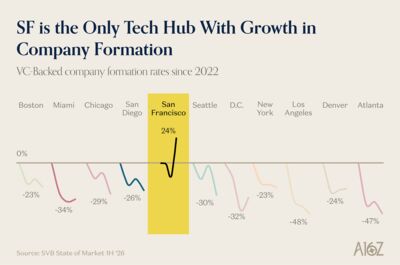
San Francisco's business tax overhaul, passed as Prop M in November 2024, is now at the center of a fresh fight as city hall considers a new "CEO Tax" that critics say would hit tech companies with up to an 800% increase in their Administrative Office Tax burden. The stakes are high: SF is the only major tech hub in America with *growing* startup formation (up 24% since 2022), and opponents argue the proposed tax could squander that advantage. Garry Tan and allied groups are sounding the alarm that populist-branded tax policy could drive out the very companies fueling SF's AI boom.
San Francisco
San Francisco's June 2026 ballot includes Prop D, an "Overpaid CEO Tax" that critics say would exempt major tech companies while hitting grocery stores and pharmacies with an 800% rate increase. Meanwhile, SFUSD's board voted 6-1 to adopt a new ethnic studies curriculum through what opponents call a rigged review process, with a legal challenge already filed the same night. Across both stories, a familiar pattern: city institutions making consequential decisions with broken processes and real costs for residents.
The 'CEO Tax' Scam That Will Crush Your Grocery Bill
Art Won't Save Downtown From an 800% Tax Hike
The "CEO Tax" Doesn't Tax CEOs. It Kills SF.
Housing Won't Fix This. It's the Drugs.
Lawsuit Wants to Ban the Tech That Caught My Wife's Hit-and-Run Driver
Chan and Fielder Vote to Keep People Dying on Sidewalks
SF Is Winning the AI Race. Politicians Want to Kill It.
While SF stopped Prosecuting Drug Dealers, 3,700 People Overdosed
The San Francisco Chinatown Grift: 29 LLCs, Political Power, and Too Few New Homes
A parole officer sent an email: "Agents must not search for violations." Then two women died.
Lurie's Charter Reset Is a Masterclass
Chinatown Stabbing Victim Got No Press Conference
Most Democrats Want Normal. Nationally It's Going Bad. In San Francisco, There's Hope.
Yes, Fare Gates Actually Reduce Crime
The BASED Act Comes for Big Tech
He Killed Grandpa Vicha. Tomorrow, He Walks Free
Grandpa Vicha's Killer Was Just Released on Probation
SF Courts Won't Show Their Work
The Easiest Way to Sell Wine in San Francisco Is Illegally
SFO Is Trying to Bury Waymo
SFMTA Promised 465 Affordable Units. There Was Never a Plan to Pay for Them.
From AI Doomerism to Molotov Cocktail
California Will Lose a Million Students
After a Rigged Review Process, SFUSD Just Approved Its New Ethnic Studies Curriculum
SF's "Overpaid CEO Tax" Will Hammer Grocery Stores and Coffee Shops
SF Bay Area
Garry's List is accepting nominations for its inaugural Civic Impact Awards ahead of the June 2 primary, recognizing the newsletters, creators, and reporters helping Californians make sense of their ballots. Meanwhile, BART is under scrutiny on two fronts: a public records request revealed the agency can't locate the invoice for a consultant report it commissioned arguing fare enforcement was pointless — even as encampment fires it knew about shut down the Transbay Tube for 12 hours in February.
UC Regents Knew SAT Ban Was Wrong—Voted for It Anyway
The Wealth Exodus Is Live: Watch California Die
BART's 'Leave Them Be' Order Burned the Transbay Tube
Steyer's $20 Billion "Trump Tax Loophole" Is a Lie
Brain Computer Interfaces Are Now Giving Sight Back to the Blind
Why Is Los Angeles Spending $20M on 32 Empty Housing Units?
BART Paid Consultants to Say Fare Evasion Didn't Matter — Then Lost the Receipt
Introducing the Garry's List Civic Impact Awards
South Bay
Ro Khanna is co-sponsoring a Sanders bill to impose a 5% annual wealth tax on unrealized gains—targeting the very Silicon Valley founders and builders who make up his district. Meanwhile, San Jose Mayor Matt Mahan is emerging as the rare Democrat willing to audit California's $150 billion spending surge before asking for more, and his fee-cutting housing policy already turned a year of zero market-rate construction into 2,000 new homes. The South Bay is ground zero for the tension between the people building California's economy and the politicians who want to tax and spend it into decline.
Sacramento
Sacramento is blocking transparency on its own lobbying process—killing two bipartisan bills that would have posted lobbyist influence letters online in real time, while the Legislature sits on a $102 billion spending surge that its own nonpartisan analysts call structurally unsustainable. Meanwhile, the 2026 governor's race is taking shape, with San Jose Mayor Matt Mahan positioning himself as a centrist alternative as candidates spar over tech money, taxes, and who actually has a plan to fix California's chronic deficits.
Sacramento Sabotages Prop 36 After Voters Spoke
$215 Billion New City Gets Historic Labor Deal
Matt Mahan Must Be California's Next Governor
California Is Killing the Golden Goose
Exposing Nonprofit Fraud Could Come With a Price Tag
The Deficit California Can't Tax Away
Half a Billion in Lobbying, Zero Transparency
New York City
New York State's S7263—which would ban AI chatbots from answering medical, legal, and other professional questions—is headed for a full Senate floor vote after clearing committee 6-0, even as studies show AI outperforming doctors on diagnostic benchmarks. Meanwhile, Mayor Zohran Mamdani is pushing rent freezes, eliminating gifted school programs, and raiding city reserves to fund policies that economists and enrollment data say are already failing. What's being tested in New York right now is whether progressive governance can survive contact with math.
Oakland
Oakland's gun violence crisis is more targeted than most realize — new analysis of the city's own Ceasefire data shows fewer than 2,000 residents drive the majority of homicides, and the programs that worked focused on those individuals, not guns. That finding lands against a broader backdrop of civic dysfunction: a Coliseum nobody will buy, a BART shutdown caused by an encampment the city knew about and failed to clear, and a property crime solve rate of just 0.5% — one-fourteenth the peer city average. With OPD at historic lows and residents fleeing, Oakland's leaders are being forced to reckon with whether their approach to public safety has failed.
Berkeley
A leptospirosis outbreak at Berkeley's Harrison Street encampment—a tropical disease rarely seen in the developed world—exposed how federal court injunctions kept the city blocked from cleaning up the site for 16 months, even after rats tested positive and the city's public health officer filed an emergency declaration. Meanwhile, Berkeley is at the center of two broader California fights: a faculty-backed push to restore SAT requirements after archival footage revealed UC Regents knew in 2020 they were ignoring their own data, and a proposed wealth tax championed by UC Berkeley professor Robert Reich that critics say would devastate the state's tech sector.
East Bay
Berkeley courts finally allowed cleanup of a disease-ridden homeless encampment after blocking it for 16 months — even as leptospirosis, a tropical bacterial disease spread by rats, threatened to contaminate a nearby creek. Meanwhile, Richmond reversed course on its Flock camera shutdown after car thefts surged 33%, with immigrant shopkeepers leading the push to bring the cameras back.
Los Angeles
Los Angeles is under mounting scrutiny for spending $20 million—$625,000 per unit—on 32 homeless housing units that sat empty for four years after the city shut down a functioning building to renovate it. The debacle has city officials admitting to "major flaws in the process," while nobody can account for the residents who were displaced when the original hotel closed. Meanwhile, LA mayoral candidate Nithya Raman is pushing a platform that pairs rent freezes with pro-construction policy—a combination developers and housing economists say is financially self-defeating, guaranteeing the kind of locked-up, deteriorating housing stock already plaguing New York City.
Seattle
Washington State's proposed 9.9% "millionaire's tax" is rattling Seattle's economy from the NBA to the startup world — NBA Commissioner Adam Silver's own meeting docs reveal investor flight to Florida is already threatening any Sonics comeback. Meanwhile, street outreach workers in Seattle and San Francisco are publicly breaking with the city's housing-first orthodoxy, with on-the-ground evidence that many people living in encampments already have taxpayer-funded apartments — and that fentanyl, not housing, is the real crisis.
Peninsula
A viral post is sparking debate over Stanford University's disability accommodation system, where 38% of undergraduates are registered as disabled — a rate more than ten times higher than at California community colleges. Critics argue the system is being gamed for perks like single dorm rooms and extended test time, with minimal verification required. The controversy raises broader questions about equity and institutional integrity at one of the Peninsula's most prominent institutions.