The Easiest Way to Sell Wine in San Francisco Is Illegally
SF makes restaurant owners navigate four agencies and wait six months to serve wine legally. Two blocks away, stolen bottles trade with impunity.
San Francisco's regulatory burden on small businesses is back in focus: restaurants must navigate four agencies and wait up to six months to legally serve wine, while stolen bottles sell openly two blocks away — a gap that illustrates how the city's rules punish the compliant and ignore the criminal. Richmond, meanwhile, just voted to reinstate its Flock Safety cameras after car thefts jumped 33% following a politically motivated shutdown — a reversal driven largely by immigrant shopkeepers who bore the cost of the decision. Across both cities, the pattern is the same: compliance is expensive, crime is cheap, and small business owners are caught in the middle.
SF makes restaurant owners navigate four agencies and wait six months to serve wine legally. Two blocks away, stolen bottles trade with impunity.
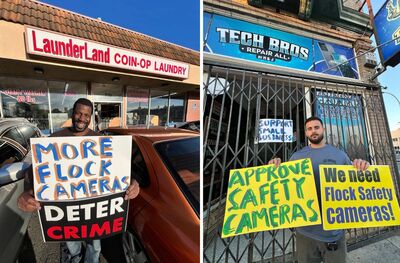
Car thefts jumped 33% after Richmond killed its Flock cameras. The people begging to bring them back were immigrant shopkeepers.
The city disabled its license plate readers to virtue signal national issues. Immigrant shopkeepers are paying the price.
California Forever just brokered the largest construction labor agreement in American history. YIMBY is winning.
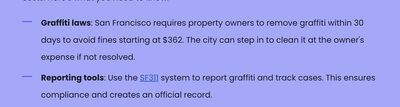
The city charges property owners $362+ if graffiti isn't removed in 30 days—while taggers walk free.
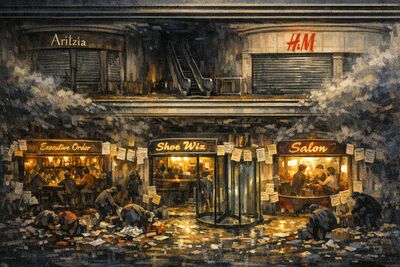
San Francisco Centre's last tenants get evicted while the Chronicle pretends shoplifting and drug use had nothing to do with it.