Richmond Just Voted to Reinstate Their Flock Cameras After Crime Spiked
Car thefts jumped 33% after Richmond killed its Flock cameras. The people begging to bring them back were immigrant shopkeepers.
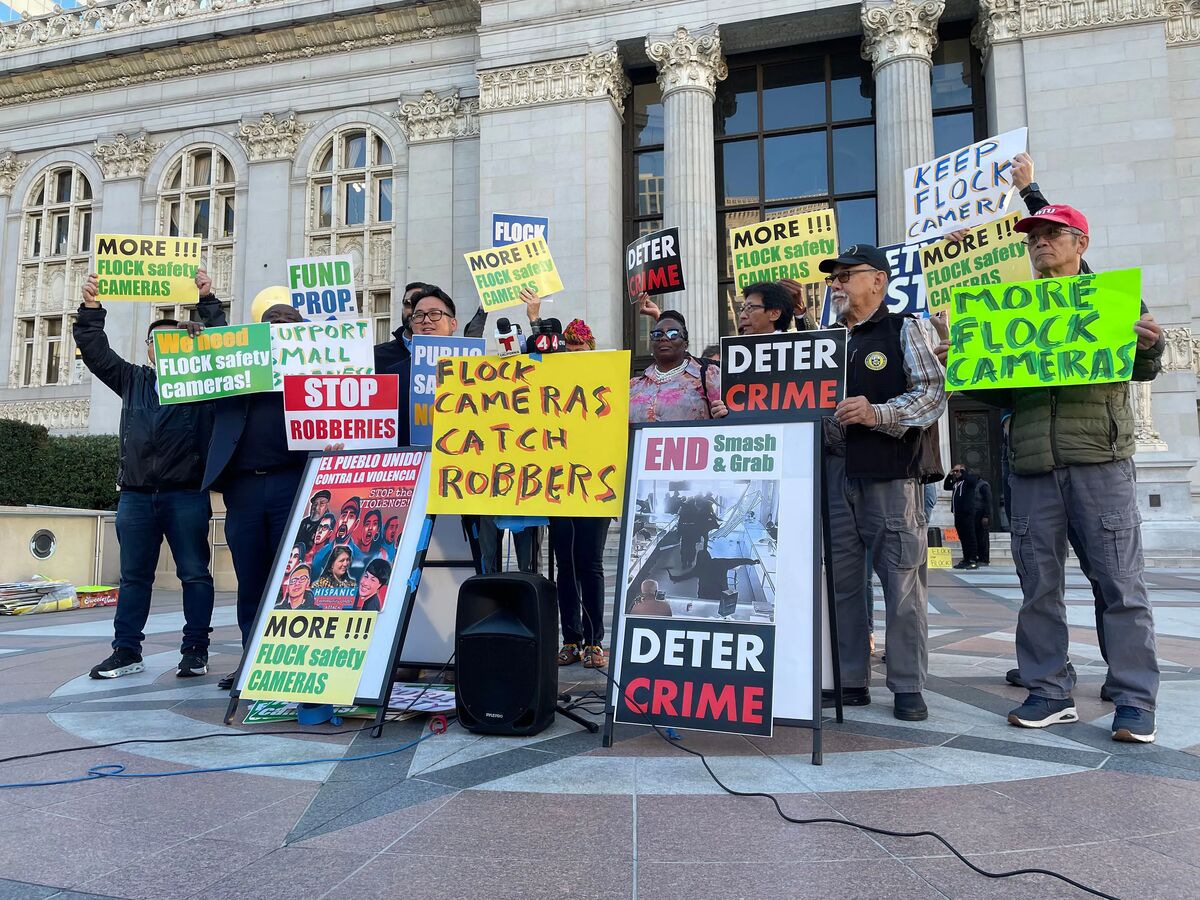
Source: localnewsmatters.org
Source: localnewsmatters.org
TL;DR
Richmond voted 4-3 to reinstate Flock Safety cameras after a 33% spike in vehicle thefts. Removing cameras doesn’t protect immigrants. It protects criminals.
On March 17, 2026, the Richmond City Council voted 4-3 to reinstate its Flock Safety license plate reader cameras through the end of the year. Councilmembers Jamelia Brown, Soheila Bana, Cesar Zepeda, and Vice Mayor Doria Robinson carried the vote. Richmond Progressive Alliance-affiliated Councilmembers Claudia Jimenez, Sue Wilson, and Mayor Eduardo Martinez voted no.
The cameras aren’t back on yet. Police Chief Timothy Simmons confirmed that technicians must physically visit all 96 Flock units across the city to test and reactivate each one. That process takes time. The vote was a win. The streets are not yet safer.
What Happened When the Cameras Went Dark
Richmond had used Flock Safety cameras for years until Simmons ordered a shutdown in November 2025. His stated reason: he had discovered a “national lookup capability” in Flock’s system that he feared could let outside agencies, including ICE, access Richmond’s license plate data.
The cameras were shut off over a threat that had already been resolved seven months earlier. The crime spike was not hypothetical.
Vehicle thefts in Richmond jumped 33% in the months that followed. Every neighboring city, Oakland, San Jose, Fremont, kept its cameras running through the same period. Richmond became the only dark spot in the region, a conspicuous soft target for car thieves who can read a map. When you punch a hole in a regional surveillance fence while every surrounding city keeps its fence intact, you don’t reduce surveillance. You just advertise where the gap is.
This is basic displacement criminology. Criminals are not ideologues. They go where consequences are lowest. Richmond without cameras, surrounded by cities that have them, is an open invitation.
The People Who Actually Showed Up
The cameras were disabled to shield immigrant communities from ICE. The people who showed up to city hall begging for them back were immigrant shopkeepers.
Oscar Garcia, president of the 23rd Street Merchants Association, led a pro-camera coalition rally alongside community advocates Ahmad Anderson and Brandon Evans. Small business owners held handmade signs. “We need Flock Safety cameras.” “More Flock cameras deter crime.”

Richmond parents and small businesses are literally begging council to turn the crime cameras back on after car thefts jumped 33% when they were shut off. Craven bureaucrats are ignoring immigrant shopkeepers holding “We need safety cameras” signs richmondstandard.com/community/2026/03/03/richmond-residents-businesses-urge-city-to-restore-public-…
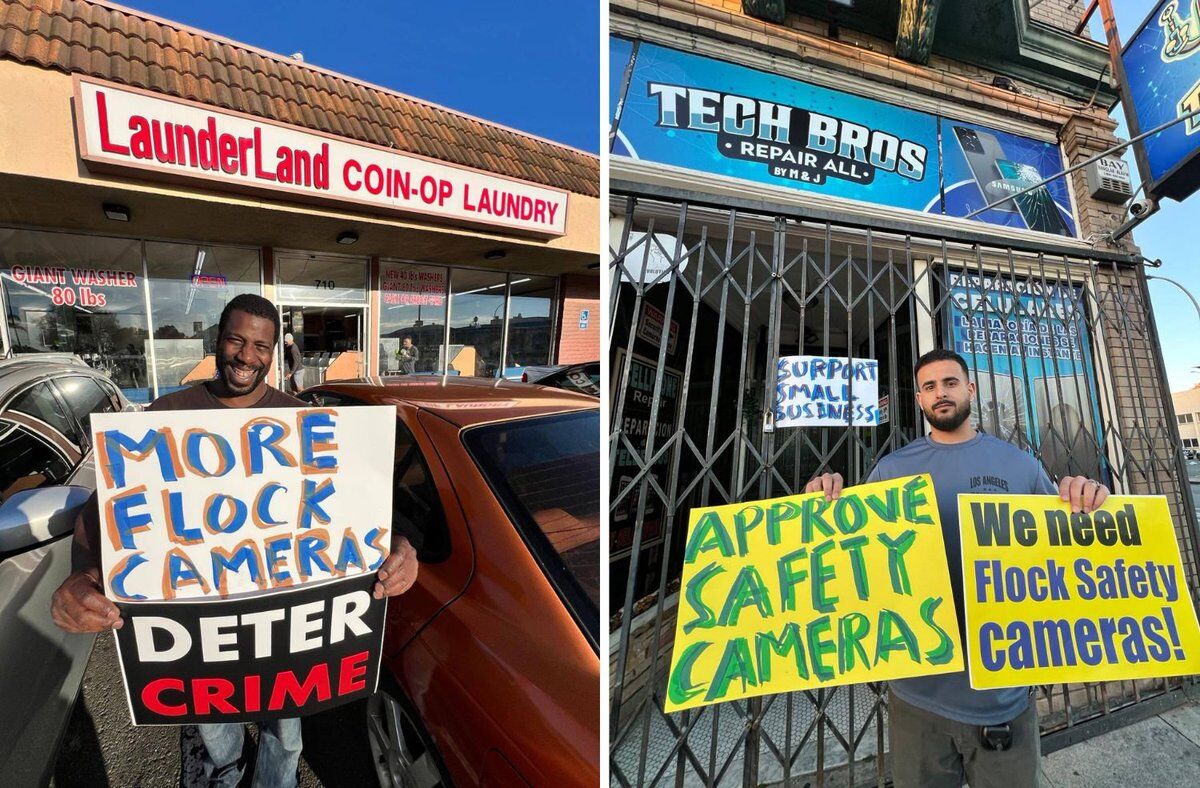
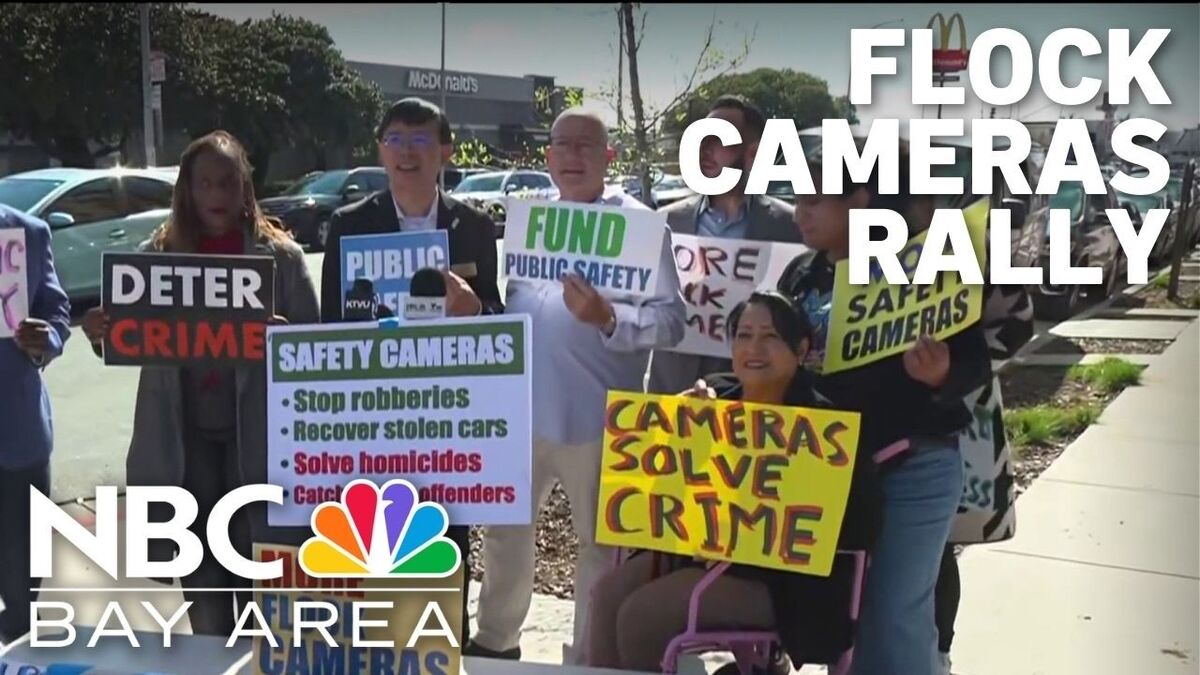
These are the laundromat owner tired of break-ins. The repair shop owner whose customers won’t park outside. Safety is not a luxury good. The immigrant shopkeepers on 23rd Street deserve the same protection as every city around them, all of which never turned their cameras off.
The RPA’s three no votes put those politicians in direct conflict with the expressed preferences of the community they claim to represent. That’s not a rhetorical point. That’s who was holding signs outside city hall.
Removing Cameras Doesn’t Protect Immigrants. It Protects Criminals.
The strongest argument against reinstatement is real: ICE has in fact used license plate data in other contexts, and immigrant communities have legitimate reasons to fear surveillance infrastructure. That concern deserves a straight answer, not a dismissal.
The answer is this. California law already forbids sharing plate data with federal immigration enforcement. Flock disabled the national lookup feature for all California agencies in March 2025 to comply with that law. The city’s own council documents found no evidence any outside agency ever accessed Richmond’s data. The threat Chief Simmons cited was not hypothetical in the abstract. It was hypothetical because it had already been fixed, seven months before he acted on it.
Flock cameras capture license plates. Not faces. Not immigration status. A stolen Honda Civic does not care about its owner’s documentation status. Neither does the car thief.
Richmond went from a $249,600 contract for 30 cameras in 2023 to a $2M system covering 96 ALPR cameras, 65 CCTV cameras, gunshot detection, and drone-as-first-responder capability. The community voted with its budget that this works. The data from every surrounding city confirms it. Oakland saw a 66% decrease in carjackings after deploying Flock. Homicides in Oakland dropped from 104 in 2023 to 55 in 2025. An Atlanta detective solved 35 homicides in a single year using the system.
Meanwhile, Richmond’s RPA bloc performed its protection theater. The people without garage parking, without the means to replace a stolen car, without the option to work from home when the parking lot outside feels unsafe, they paid for it. They paid with a 33% crime spike that hit the exact working-class neighborhoods the RPA claims to champion.
The cameras are coming back. Technicians will fan out across Richmond and reactivate all 120 units one by one. The months of elevated theft will not be undone by a vote. But Richmond’s working families have their tools back, over the objections of the three council members who claimed to be protecting them.
When progressives decide to shield immigrants from a threat that no longer exists, it’s always the immigrants who absorb the cost.
Related Links
-
Richmond council votes to reactivate Flock Safety cameras (Richmond Standard)
-
Richmond Cut Its Crime Cameras. Car Thefts Jumped 33%. (Garry's List)
-
Rally over Flock cameras contract vote in Richmond (NBC Bay Area)
-
Oakland Public Safety Committee deadlocks 2-2 on Flock expansion (Local News Matters)
-
Save Richmond for Everyone - Support Public Safety Cameras (EB Safety Now)
Comments (0)
Sign in to join the conversation.