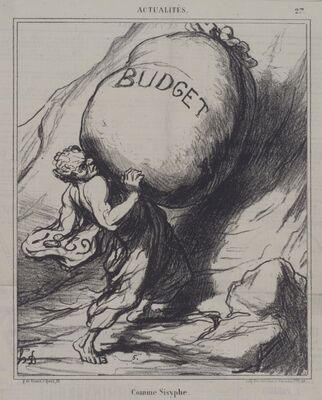
The Deficit California Can't Tax Away
The state's own nonpartisan analyst says spending outpaced revenue by 10 points. More taxation won't solve the problem.
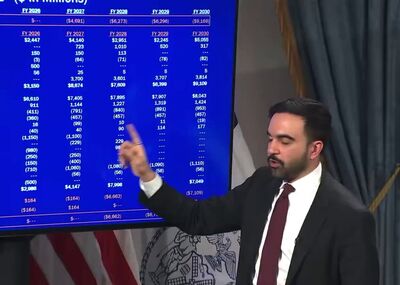
California's structural deficit has hit $20–30 billion annually, with state spending growing 70% since the pandemic against only 60% revenue growth — and the nonpartisan Legislative Analyst's Office now says the imbalance is unsustainable. The fiscal rot runs deeper than budget math: billions vanished in pandemic unemployment fraud that the state still hasn't accounted for, a San Francisco equity official just faces 19 felony counts for allegedly steering millions to her partner's nonprofit, and Oakland's council is seeking a 125% raise despite a $100 million deficit and 48-minute 911 response times. Meanwhile, California is on track to lose nearly a million public school students by 2031 — a sign that families are drawing their own conclusions about what the spending has actually delivered.
The state's own nonpartisan analyst says spending outpaced revenue by 10 points. More taxation won't solve the problem.
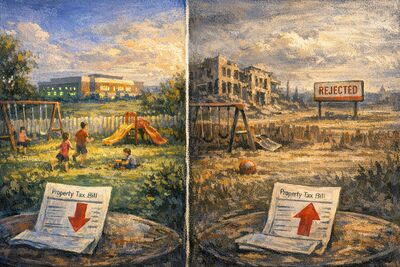
Federal data projects a 15.7% enrollment collapse by 2031, the worst of any major state. Meanwhile, Idaho and Florida are growing. This isn't inevitable—it's what happens when the cost of housing skyrockets and the quality of education declines.
California's EDD lost $20 billion to fraud and still owes $21 billion on its federal pandemic loan — and that's only the tip of the iceberg.
SF's head of 'equity' steered millions to her live-in partner's nonprofit while the system spent more on propaganda than education.
A $100M deficit, 509 cops, 48-minute 911 waits, a recalled-and-indicted mayor. And now the council wants more money.
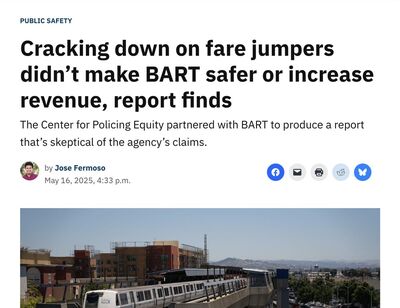
Now they want a new tax, and can't find the invoice for the "equity" report they commissioned to argue enforcing fares was pointless
SF's 540-page city charter is the longest in the country, and it was built to protect insiders. Lurie is finally tearing it apart.
Fareed Zakaria just said the quiet part out loud: blue cities are out of control. But San Francisco might actually be charting a different course.
Housing NIMBYs already took 36% of GDP. Now the same playbook is blocking the AI economy. The states that figure out how to share the upside will win the future.
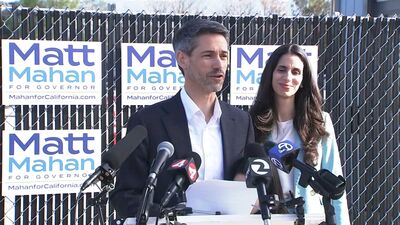
Public sector unions are picking their next governor. Porter, Swalwell, and Steyer are lining up to perform. One Democrat is not: Matt Mahan