Oakland Has a Gang Problem Disguised as a Gun Problem
Less than 2,000 Oakland residents drive most of its gun violence. Oakland Ceasefire shows just how important it is to target the right people.
Oakland's gun violence — driven by fewer than 2,000 residents — is dropping when the city targets the right people, not just guns, while San Francisco's courts are moving in the opposite direction: clearing only 32% of cases, hiding five years of missing data from the state, and releasing the killer of 84-year-old Grandpa Vicha on probation the same afternoon he was sentenced. Judge Linda Colfax's decision to free Antoine Watson — made inevitable by California's pretrial credit math and years of continuances — has put a face on how SF's criminal justice system fails victims. These stories are connected: concentrated violence requires targeted accountability, and SF is delivering neither.
Less than 2,000 Oakland residents drive most of its gun violence. Oakland Ceasefire shows just how important it is to target the right people.
For five years, SF courts haven't reported a single data point to the state—even as they resolve fewer and fewer cases.
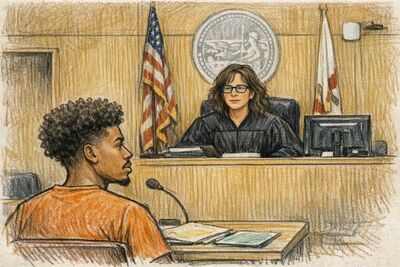
SF Superior Court Judge Linda Colfax has a proven track record of giving violent criminals light sentences.
A San Francisco judge just suspended the sentence of the man who killed an 84-year-old Asian grandfather in cold blood. This is the state of "justice" in the city.
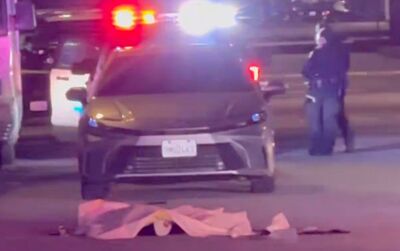
Antoine Watson slammed into an 84-year-old man, left him dying on the pavement, and fled. Five years later, the system hands him the exit door.
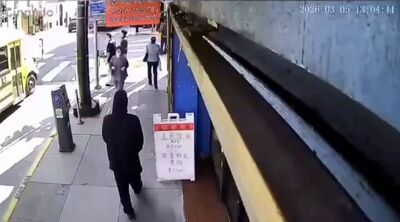
An Asian American man was stabbed in broad daylight two days before Lunar New Year. The mayor's bodyguards got press coverage. He got bystanders who kept walking.
Now a civil rights lawsuit names the officials who told parole agents to look the other way.
A man caught with a loaded gun got diversion and a homework assignment. 36 days later, someone was dead.
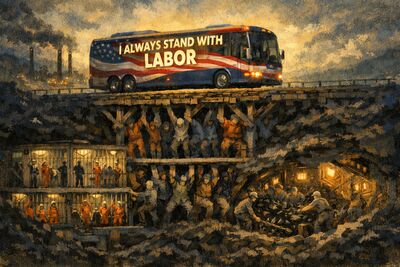
The billionaire claiming to ‘always stand with labor’ made millions from private prisons and other aggressively anti‑union investments
California labor law says unions can only strike after completing the impasse process. UESF skipped the steps and called a strike anyway.