
Tech
Public Safety & Policing
From AI Doomerism to Molotov Cocktail
The billion-dollar ideology behind the violence finally produced what it always promised.
Read more →
AI-linked violence has escalated to arson and attempted murder in San Francisco, with a PauseAI member throwing a Molotov cocktail at Sam Altman's home and threatening OpenAI headquarters in April 2026. Meanwhile, SF's own public safety institutions are failing on multiple fronts: courts are resolving just 32% of cases and haven't reported data to the state in five years, while Oakland's gang violence data shows that targeted intervention—not broad gun policy—is what actually saves lives.
The billion-dollar ideology behind the violence finally produced what it always promised.

Leptospirosis, common in underdeveloped countries, spread through Berkeley's Harrison encampment—and courts continued to prevent cleanup efforts.
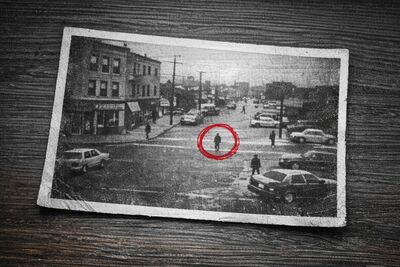
Less than 2,000 Oakland residents drive most of its gun violence. Oakland Ceasefire shows just how important it is to target the right people.

For five years, SF courts haven't reported a single data point to the state—even as they resolve fewer and fewer cases.

SF makes restaurant owners navigate four agencies and wait six months to serve wine legally. Two blocks away, stolen bottles trade with impunity.

Car thefts jumped 33% after Richmond killed its Flock cameras. The people begging to bring them back were immigrant shopkeepers.
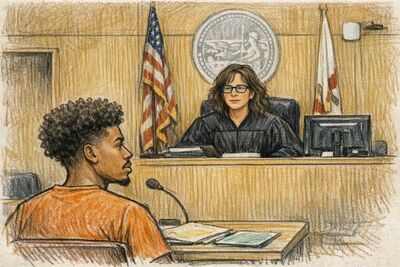
A San Francisco judge just suspended the sentence of the man who killed an 84-year-old Asian grandfather in cold blood. This is the state of "justice" in the city.
Antoine Watson slammed into an 84-year-old man, left him dying on the pavement, and fled. Five years later, the system hands him the exit door.
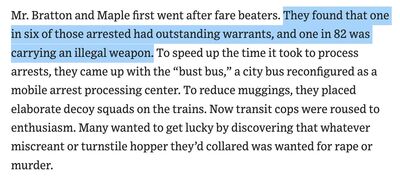
BART's 2025 crime collapse confirms what NYC learned in 1990: fare enforcement isn't about the fare. It's about who's riding your system.

An Asian American man was stabbed in broad daylight two days before Lunar New Year. The mayor's bodyguards got press coverage. He got bystanders who kept walking.