Asset Seizure: A One-Act Play
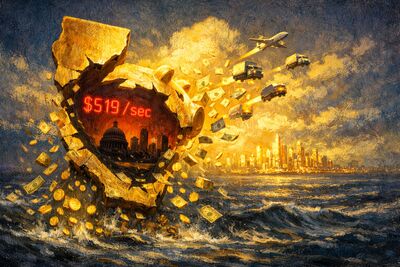
Sanders and Khanna want to tax money that doesn't exist on assets you can't sell. The only proportionate response was a one-act play.
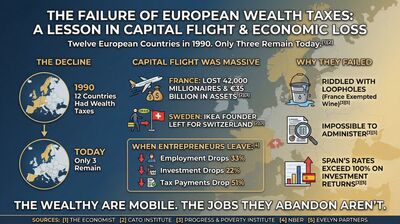
Sanders and Khanna just introduced a 5% annual wealth tax on unrealized gains—taxing paper wealth on assets that can't be sold—while Washington State is already pushing a 9.9% "millionaire's tax" that would hit married software engineers and small business owners hardest. The evidence from Europe, where 12 countries tried wealth taxes and only 4 remain, suggests these policies don't redistribute wealth—they expel it. Meanwhile, California's gubernatorial race is drawing a sharp line between candidates who want to fix the state's $20–35 billion structural deficit and those who want to raise taxes to paper over it.
Sanders and Khanna want to tax money that doesn't exist on assets you can't sell. The only proportionate response was a one-act play.
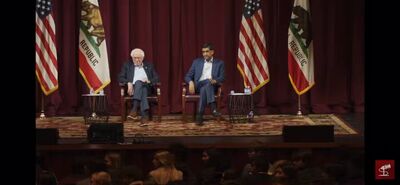
Asked point-blank why the US dominates tech while Europe stagnates, the Senator pivoted to healthcare and homelessness. The honest answer would destroy his worldview.
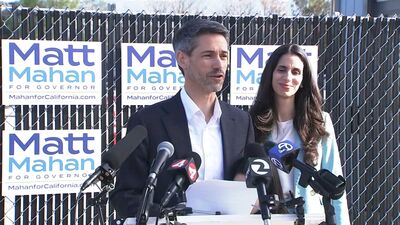
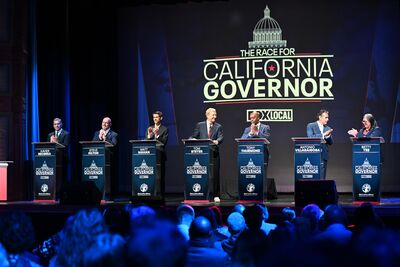
California bleeds $20-35 billion a year. Steyer wants to raise taxes. Mahan wants to stop lighting money on fire.
Washington State legislators are building a tax regime so hostile that NBA investors are spooked and founders are planning their exits.
Harvard and MIT trained 21 of the top 50 AI founders. Every one of them flew west to build in SF.
SEIU-UHW's asset seizure tax has already cost the state $16.4 billion per year in lost revenue—and it hasn't even passed yet.
A billionaire spending $27 million attacks a mayor for having tech support. The irony writes itself.
Even Gavin Newsom admits taxing billionaires will backfire. Europe already proved it. Why won't Sacramento listen?
The bill's architects say founders can fight the state for their money back. With interest. On hard mode.
The numbers prove SF is the undisputed capital of innovation. So why are California politicians hellbent on driving it away?