California's Wealth Tax "Safeguards" Are a Trap
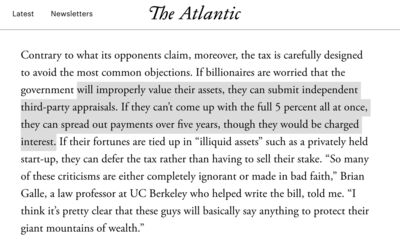
The bill's architects say founders can fight the state for their money back. With interest. On hard mode.
AOC's claim that "you can't earn a billion dollars" sparked a direct rebuttal from Y Combinator's Paul Graham, who spent two decades professionally evaluating founders and says exploitation isn't what creates billionaires—building things people want is. The debate lands as California faces structural deficits of $20–35 billion annually, with the state's own nonpartisan analyst confirming spending grew 10 points faster than revenue since the pandemic—making new wealth taxes a harder sell just as Sanders and Khanna push a federal 5% annual levy on unrealized gains.
The bill's architects say founders can fight the state for their money back. With interest. On hard mode.
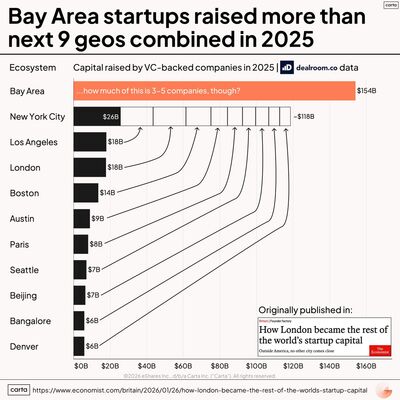
The numbers prove SF is the undisputed capital of innovation. So why are California politicians hellbent on driving it away?
Inherited wealth wants to destroy builders while protecting their own loopholes. The data exposes the fraud.
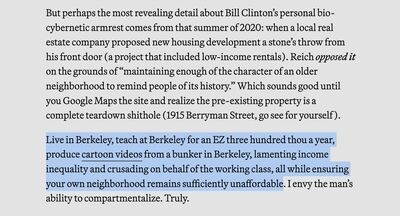
Robert Reich earns $13,000/hour to denounce capitalism while blocking affordable housing in his own backyard. Now he's pushing a tech-killing wealth tax.
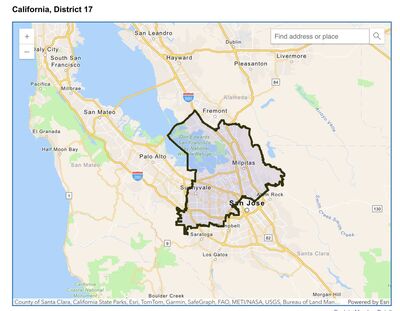
When nearly all your campaign cash comes from outside your district, who are you really representing?
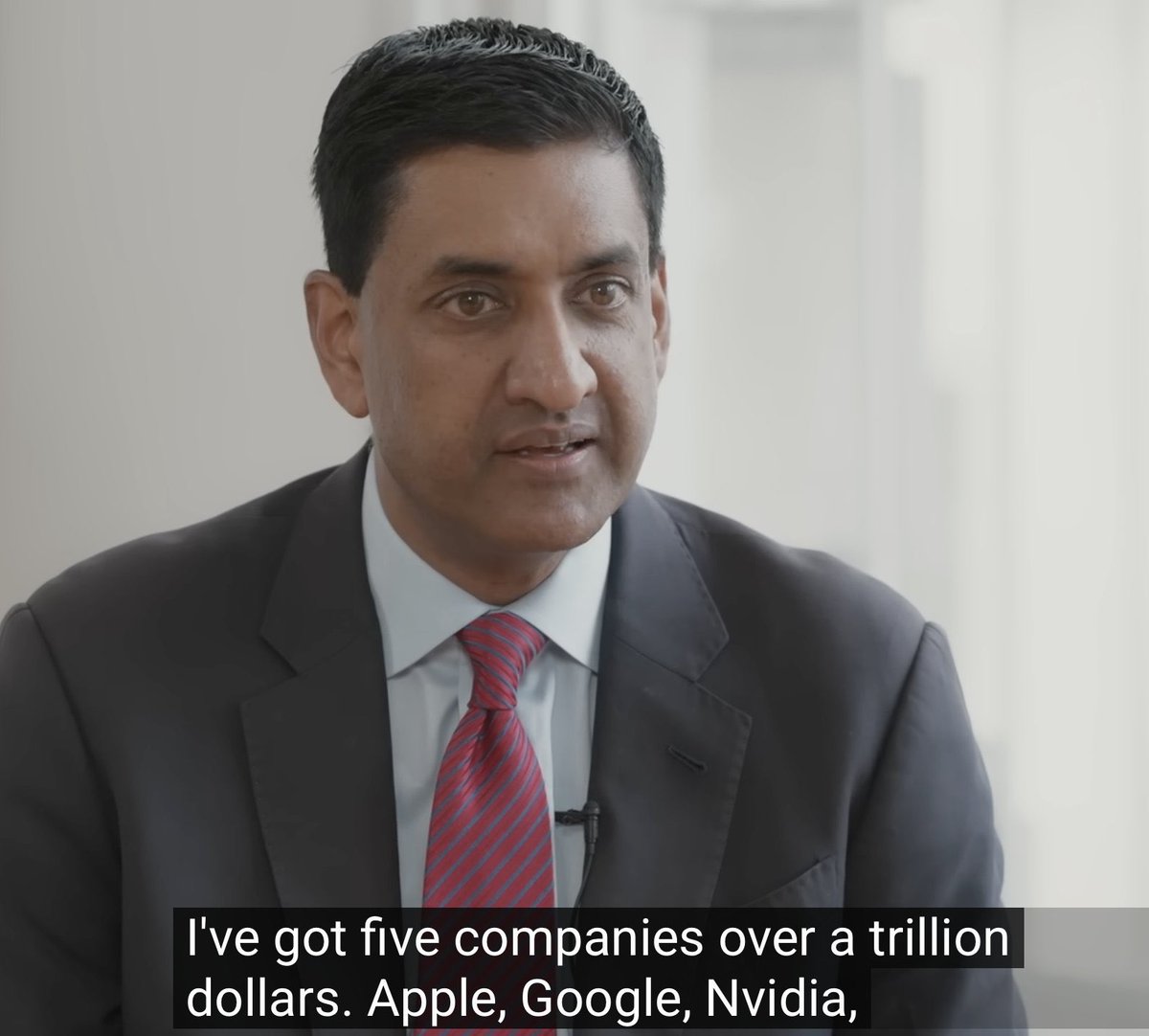
Former supporters organize against the congressman as his wealth tax crusade threatens to tank the Bay Area economy.
Founders are already planning their escape routes. YC's strategy: leave after Series B, go distributed. "Suboptimal, but we know how to do this."
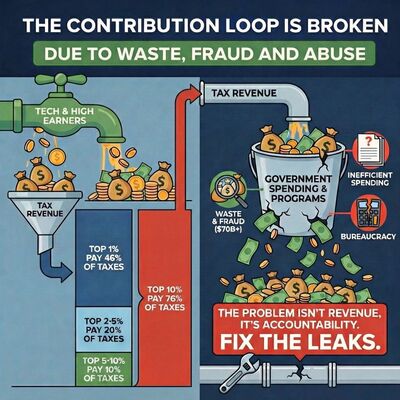
The top 10% fund 76% of the state budget. Sacramento's answer? Chase them all away.
Private polls show 80-90% of billionaires already gone or leaving. This isn't about the rich—it's about California's survival.
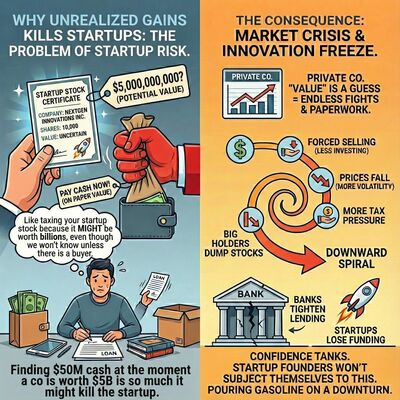
A quiet amendment to the "Billionaire Tax" would force founders to go bankrupt or surrender control of their companies.