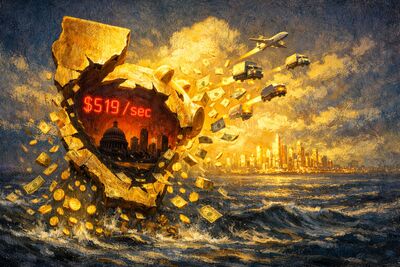
The Wealth Exodus Is Live: Watch California Die
SEIU-UHW's asset seizure tax has already cost the state $16.4 billion per year in lost revenue—and it hasn't even passed yet.
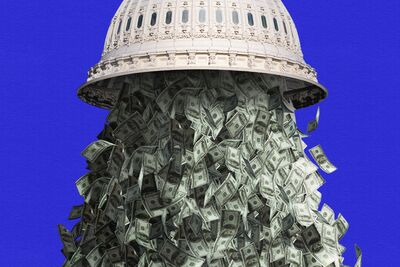
California's nonpartisan Legislative Analyst's Office just confirmed what critics have argued for years: state spending grew 70% since the pandemic while revenue grew only 60%, producing structural deficits of $20–$30 billion annually with no end in sight. That fiscal pressure is showing up everywhere — in a school enrollment collapse projected to cost California nearly a million students by 2031, in $20 billion lost to unemployment fraud that the state still hasn't accounted for, and in transit agencies that spent public money on consultants to argue against enforcing their own rules. From Sacramento's budget to San Francisco's 540-page city charter, the question isn't whether California has a spending problem — it's whether anyone in power will do anything about it.
SEIU-UHW's asset seizure tax has already cost the state $16.4 billion per year in lost revenue—and it hasn't even passed yet.
Teachers and parents have a common enemy—and it isn't each other. It's a pension system running a 20-year scam.
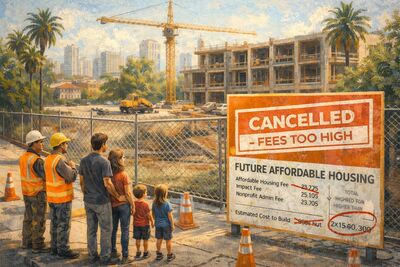
Cities skim $300 million a year in fees from affordable housing projects, then wonder why we can't house families.
The Robinhood CEO says he loves this state. That's why his warning should terrify Sacramento.
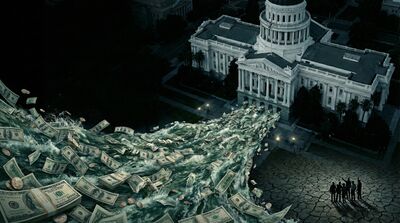
Public sector unions collect nearly $1 billion a year to control Sacramento. Normal citizens? A trickle against a torrent.
$30 billion stolen in unemployment fraud alone. California's gubernatorial candidate says fix it before raising taxes.
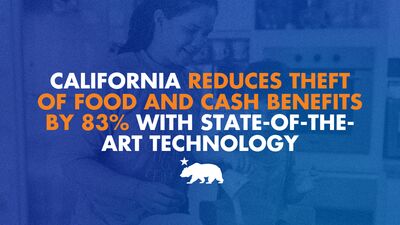
For years, the state bled $20M/month in EBT fraud using ancient systems. The fix took chip cards and AI—things we've had for a decade.
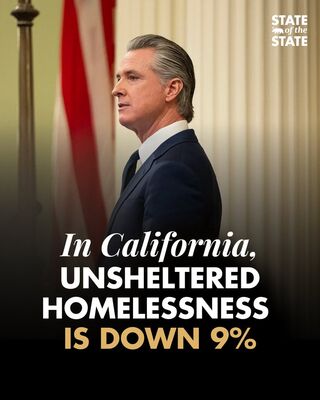
The Governor touts a 9% drop in "unsheltered" homelessness. The actual numbers tell a very different story.
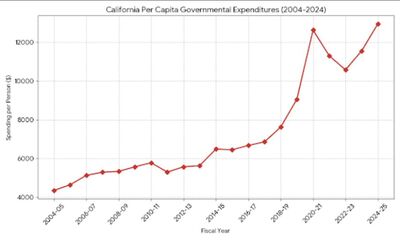
Per capita spending jumped from $4,350 to $12,940 while population grew just 11%. Where did all that money go?
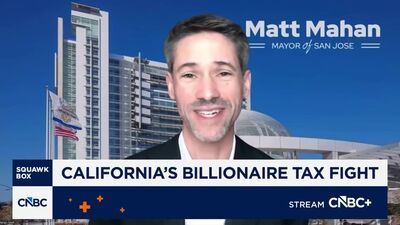
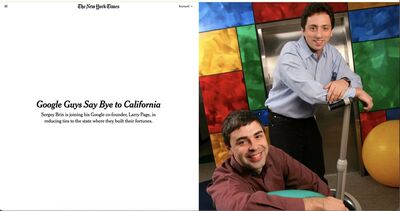
Half of California's billionaire wealth has fled the state—and the wealth tax isn't even on the ballot yet.