SF's Drug Court Is a Get-Out-of-Jail-Free Scam
Violent offenders are flooding a program designed for petty crimes. Public defenders call it "treatment." The numbers call it fraud.
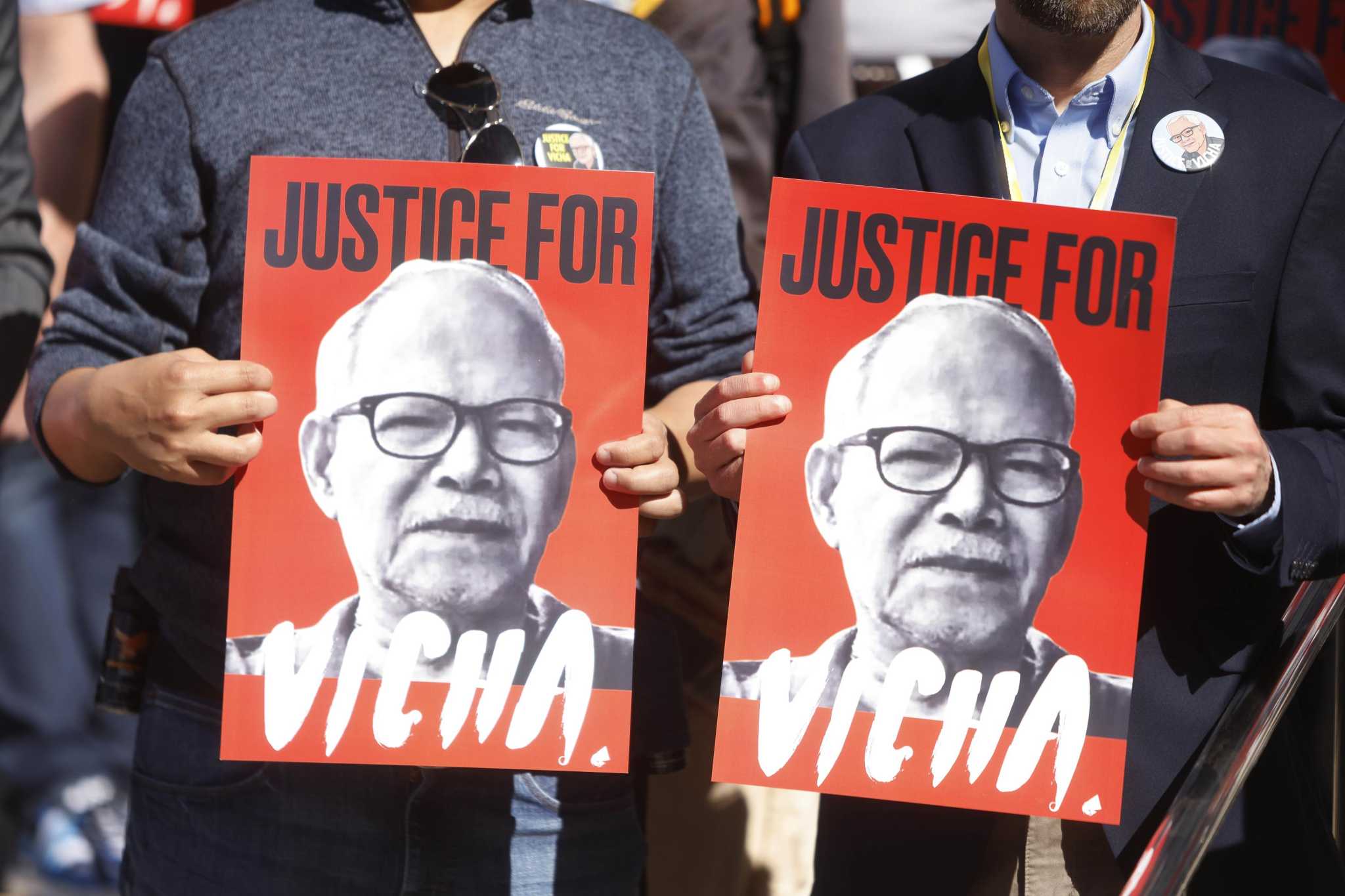
Oakland's concentrated gang violence is under new scrutiny after researchers confirmed that fewer than 2,000 residents—less than 0.5% of the city—drive the majority of its gun homicides, while San Francisco's courts face mounting accountability questions over five years of missing state data and a backlog that leaves the city resolving just 32% of criminal cases. Meanwhile, the release of Vicha Ratanapakdee's killer on probation—a mathematically foreseeable result of California's pretrial credit rules—has reignited debate over whether charging decisions, sentencing caps, and years of continuances are being weaponized to guarantee lenient outcomes.
Violent offenders are flooding a program designed for petty crimes. Public defenders call it "treatment." The numbers call it fraud.
Feb. 4 deadline looms. If qualified attorneys don't file to run, voters won't even get a choice.
Californians voted for public safety. The state legislature decided their votes don't count.
The Feb. 4 deadline to challenge soft-on-crime judges is days away—and almost no one has stepped up.
State lawmakers gutted accountability for youth crime. Now kids are shooting classmates and beating tourists.
After five years, Vicha Ratanapakdee's family learns their father's life was "negotiable." Six hours of deliberation was all it took.
Video shows Watson running full-speed into 84-year-old Vicha. He walks after 5 years. This is progressive justice.
Antoine Watson shoved an 84-year-old to his death, photographed the body, and got involuntary manslaughter. Welcome to San Francisco.
Judge Begert awarded diversion to a man with 18 burglaries. He didn't even show up to court. This is what "following the law" looks like.
Judge Begert diverted armed robbers and attempted murderers into "treatment." Now a homicide prosecutor is taking over.