SF's AI Boom Is Real — And Politicians Are Racing to Tax It Away

San Francisco is the only major VC hub with positive startup formation growth, powered by an AI revolution that's pulling founders from Boston, MIT, and Harvard. But an 800% gross receipts tax hike and proposed lab bans threaten to hand that lead to Austin and Miami.

Business Taxes & Prop M SF Prop M (2024) Techno-Optimism & Innovation Pro-Technology & Innovation San Francisco Wealth & Billionaire Taxes SF Bay Area State Capacity & Accountability

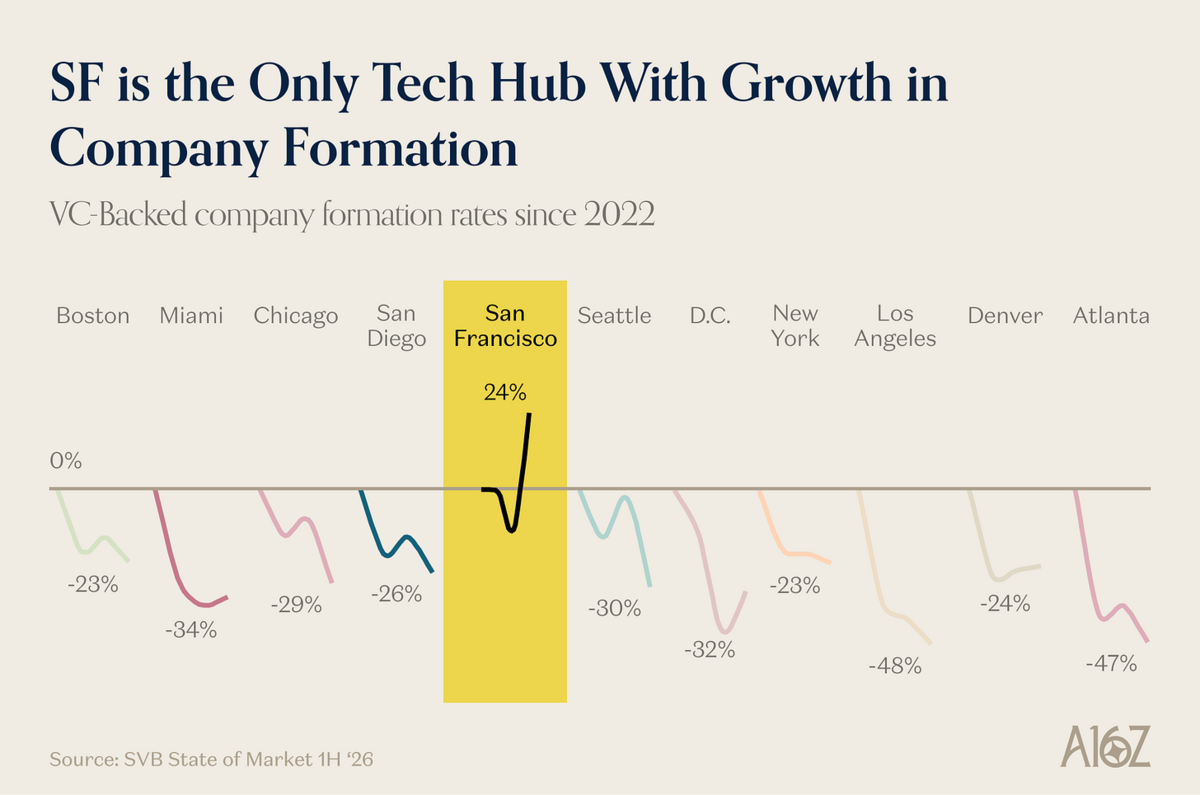
SF is up 24% in company formation since 2022. Boston is down 34%. NYC down 32%. Austin down 47%. The a16z data is unambiguous: San Francisco is the only VC hub growing. But the ‘CEO Tax’ — actually an 800% gross receipts hike — and proposed lab bans could vaporize that lead. Big Tech capex hits $650B in 2026. SF needs to be where that lands.

February 14, 2026 · 4 min read


Feb 20, 2026 · 4 min

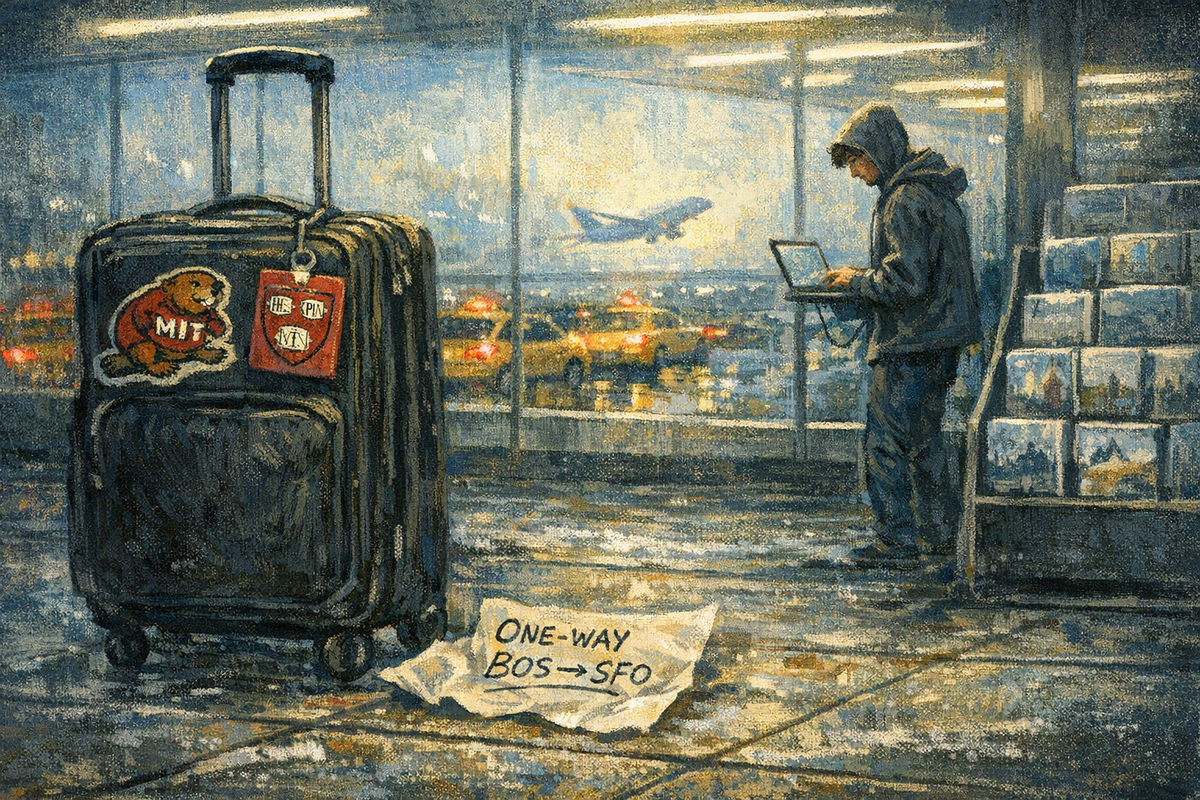
21 of the Forbes AI 50 founders went to school in Boston — then left for San Francisco. OpenAI ($500B), Databricks ($60B), Scale AI ($14B), Cursor ($500M ARR). Boston educated them. SF captured them. Three anchors pulled them west: YC back in person, OpenAI HQ, Anthropic HQ. If SF taxes away its edge, Austin and Miami are waiting.

Feb 17, 2026 · 4 min

LLMs have reset the research game. The amateurs are winning. Simple ideas anyone can try, easy questions that haven’t been answered yet. You don’t need a PhD — you need curiosity and compute. This ‘gentleman science’ era explains why SF’s startup density matters: thousands of tinkerers running millions of experiments that established labs would never try.

Feb 16, 2026 · 4 min

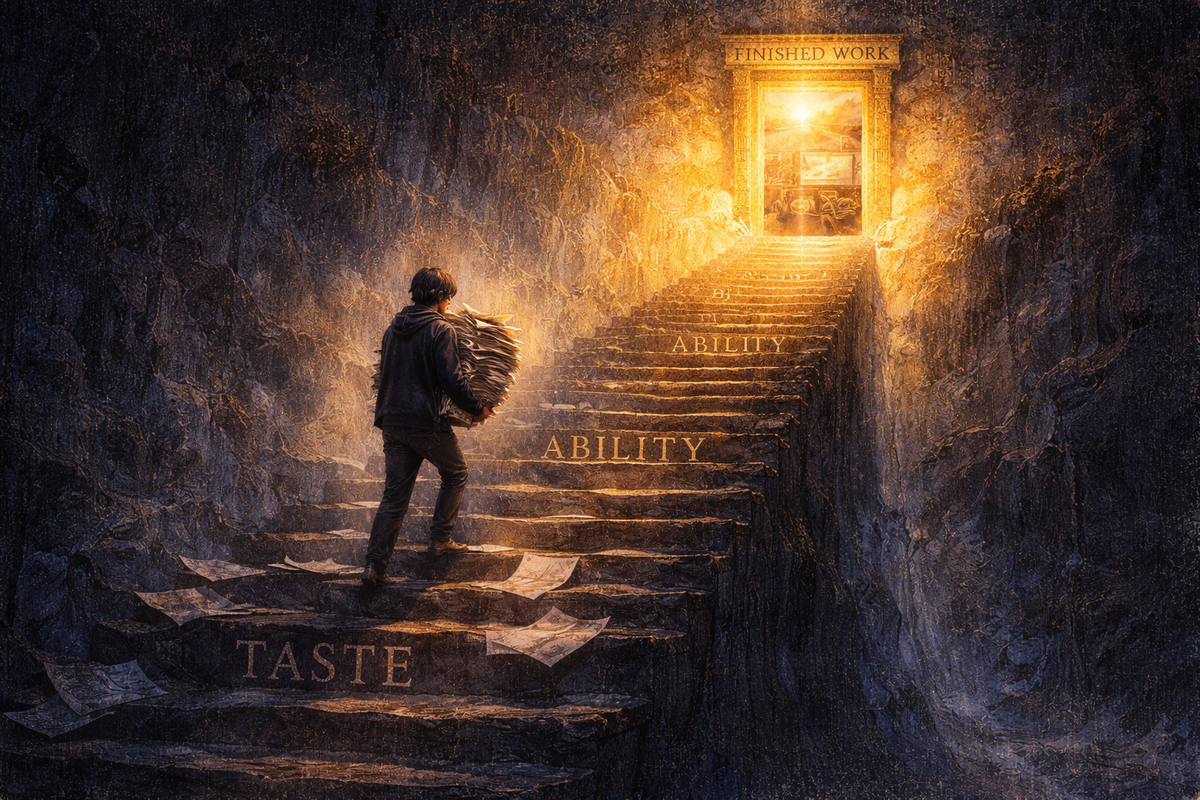
Ira Glass was terrible at radio for 8 years before he got good. The gap between taste and ability kills most creative dreams. AI doesn’t eliminate that gap — it lets you close it faster. Ship crappy work, do reps, use AI as a power tool. This is the builder’s mindset that’s driving SF’s AI boom: more experiments, faster iteration, bigger ambitions.

Feb 14, 2026 · 4 min

Demis Hassabis — Nobel Prize winner, the guy who solved protein folding — says we’re 10-15 years from a golden era of discovery. Personalized medicine, fusion energy, radical abundance. AI drug discovery already cut timelines from 4.5 years to 9-18 months. This is what SF’s AI companies are building toward — if we don’t regulate ourselves into stagnation.

Feb 14, 2026 · 5 min

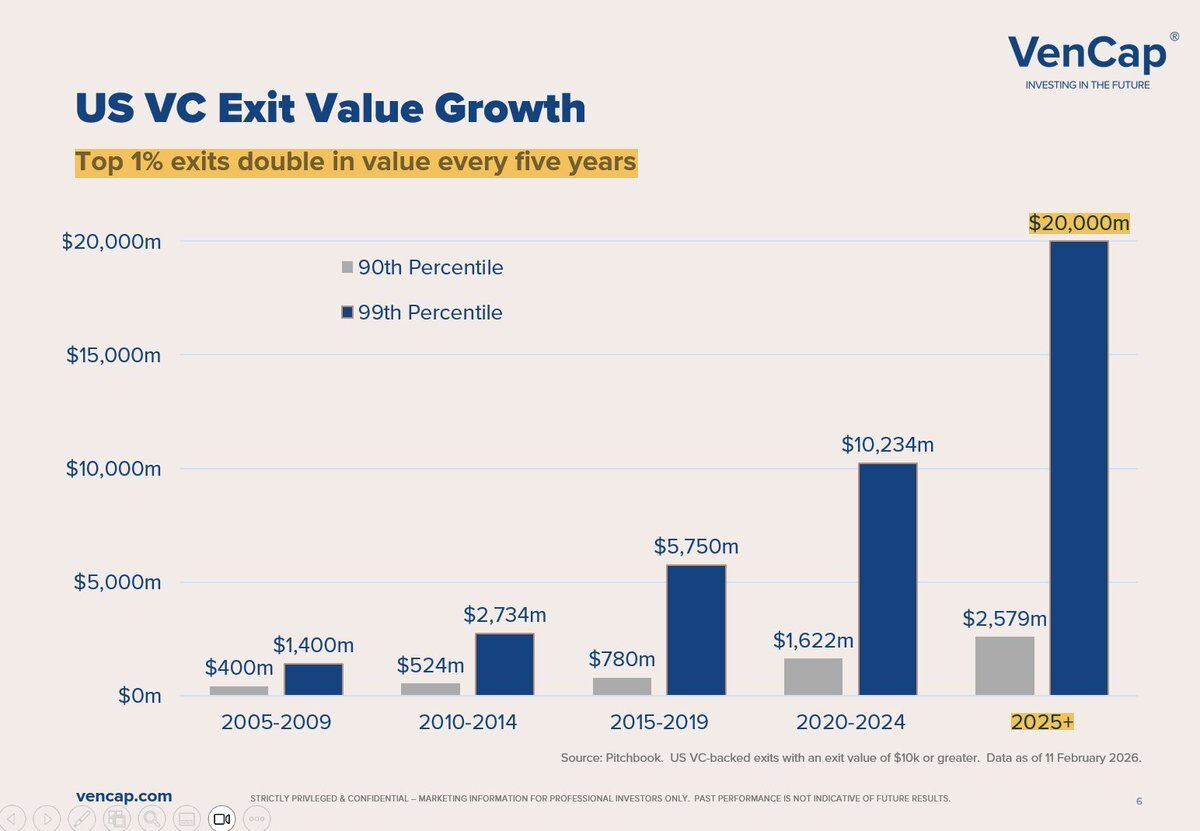
Top 1% startup exits grew from $1.4B to a projected $20B over 20 years — doubling every five years. 80% of YC’s current batch is AI-focused. Seed valuations rose from $4M to $20M because actual outcomes exceeded expectations. This is the ascending market SF is positioned to capture — if politicians don’t kill it.

Feb 11, 2026 · 2 min

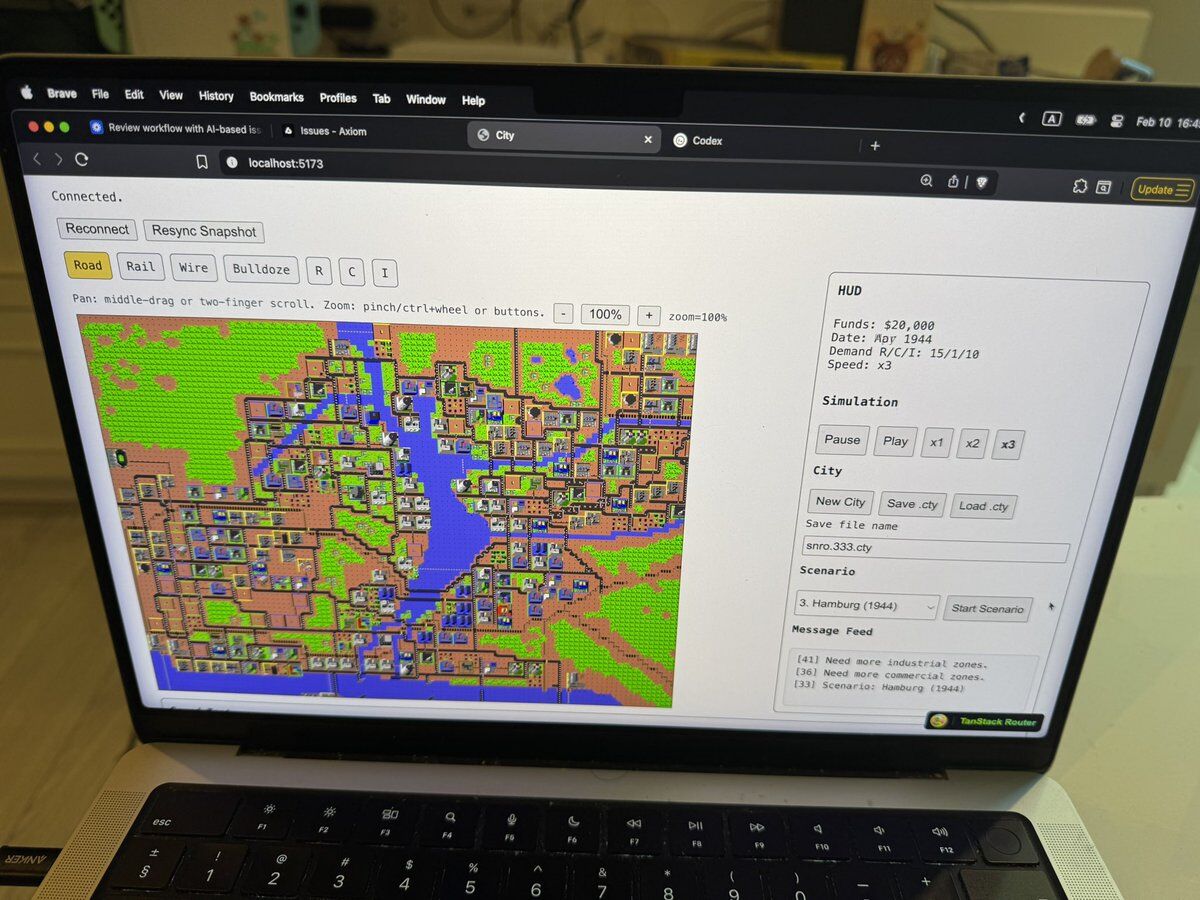
A developer ported SimCity’s entire 1989 C codebase to TypeScript in 4 days — without reading a single line of code. Christopher Ehrlich ran OpenAI’s codex for $200/month, used property-based tests as verification, and shipped a working browser game. 25% of YC startups now have 95% AI-generated code. This is what vibe coding looks like at scale.

Feb 10, 2026 · 4 min

University endowment engineers are terrified of Claude Code — and they’re asking the wrong question. The fear is proportional to how small the ambition is. If you’re protecting a job, AI is a threat. If you’re asking why fusion energy can’t exist, AI is the answer. This is the philosophical foundation for why SF’s AI boom creates abundance, not displacement.

Feb 07, 2026 · 4 min

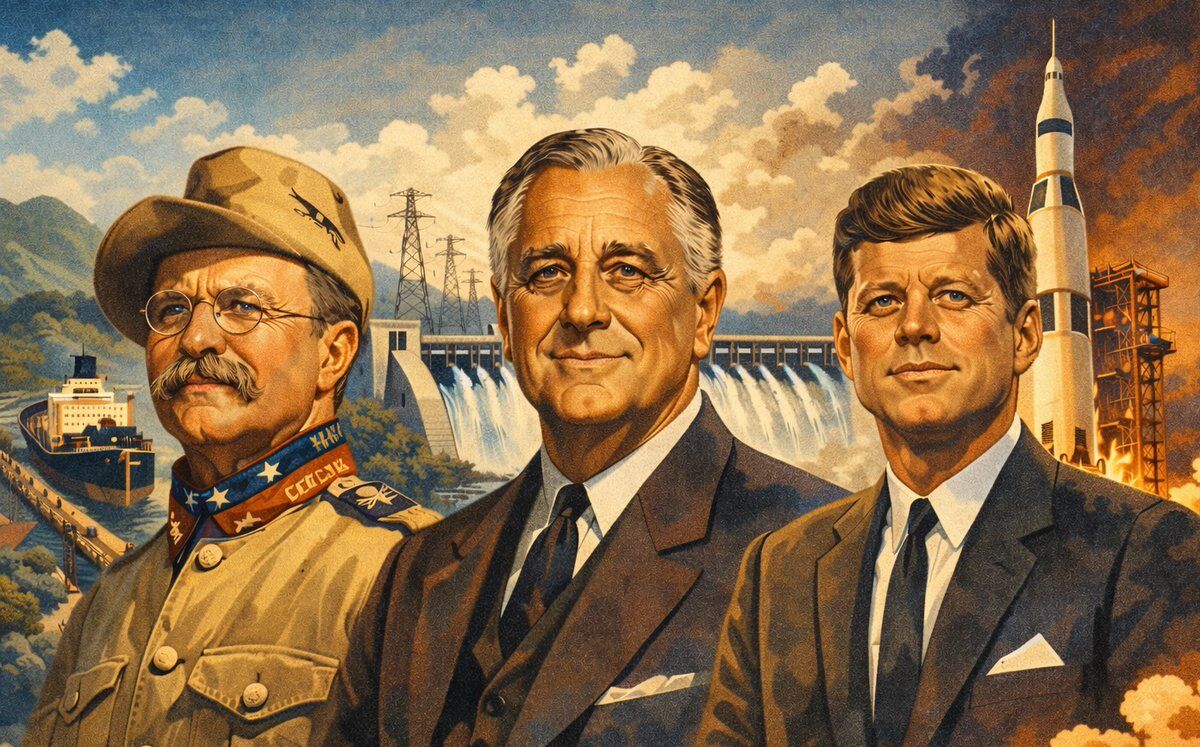
Teddy Roosevelt built the Panama Canal. FDR electrified the Tennessee Valley. JFK landed on the Moon. Jason Crawford’s historical frame sets the stage: America became a vetocracy where NEPA statements ballooned from dozens of pages to 1,703 on average. The party of progress became the party of ‘no.’ SF’s AI boom is testing whether we can build again.

Feb 04, 2026 · 8 min