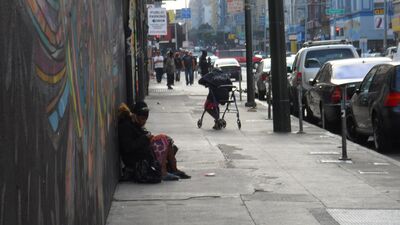
California's 'Housing First' Policy Is Killing People — And the State Banned the Alternative

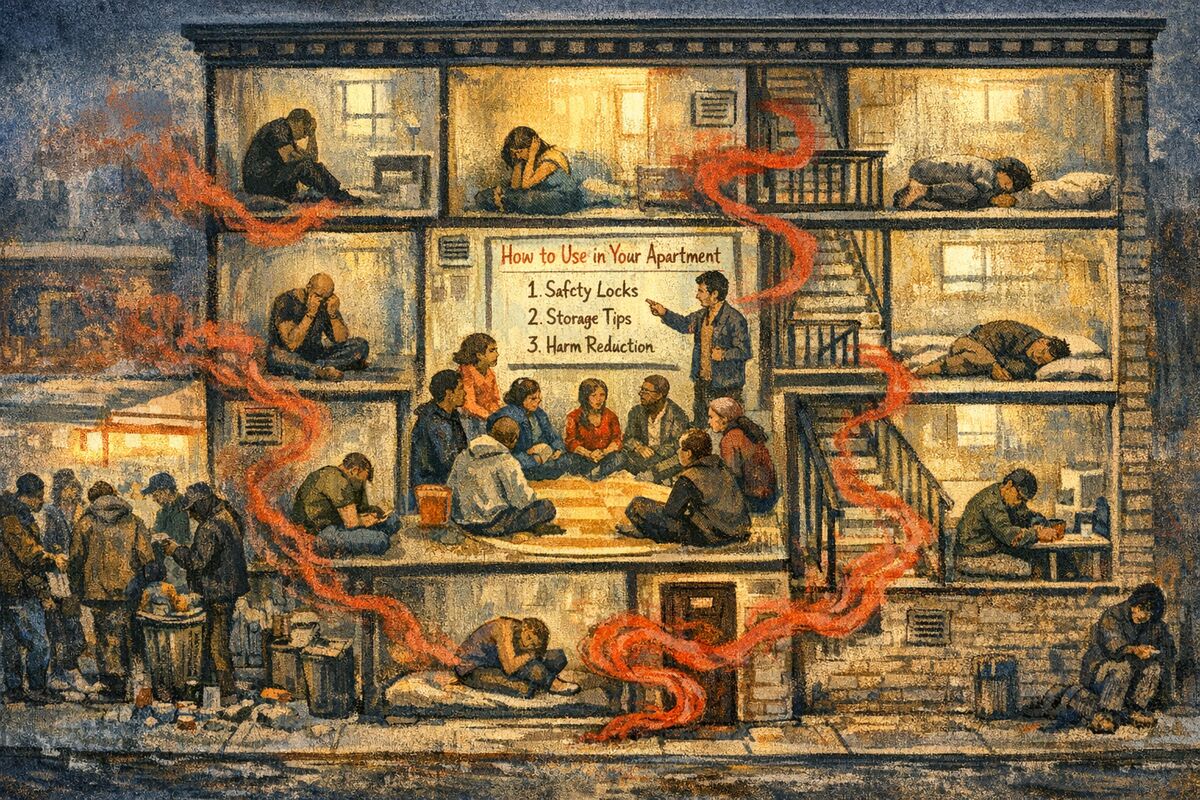
Street outreach workers in SF and Seattle report up to half of people using drugs publicly already have housing. California law literally bans sobriety requirements in state-funded housing — and now a nonprofit with 162 overdose deaths is running programs to help residents use drugs in their apartments.

Homelessness & Drug Crisis San Francisco Seattle State Capacity & Accountability SF Bay Area SF Politicians

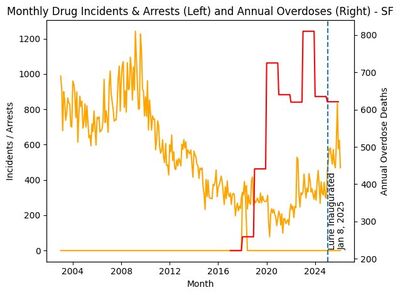
Episcopal Community Services leads all SF housing providers in overdose deaths: 162 since 2020. The nonprofit is now running a pilot program to help residents use drugs in their apartments. Recovery advocate Gina McDonald — whose brother died of substance use in 2022 — confronted ECS leadership directly: people are dying alone in ‘supportive’ housing at higher rates than other providers. Pamela D, Jamilah B, Lee G, Andrew C. Names on a memorial. This is what $425 million buys.

February 16, 2026 · 3 min read


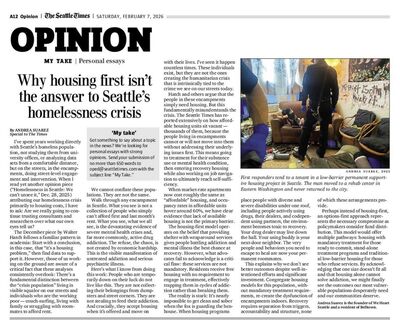
California Housing Code 8255 prohibits state-funded homeless housing from requiring sobriety. Twenty-seven other states fund recovery housing. California has spent $24 billion on homelessness since 2019 — zero on drug-free housing. Andrea Suarez, who works directly in Seattle encampments, identifies the core conflation: politicians lump the working poor with the ‘crisis population’ on the streets. Walk through any encampment. What you see isn’t economic hardship. It’s untreated addiction.

Feb 08, 2026 · 3 min

While SF spends $2.5 billion on homelessness and watches it increase 50%, Assemblymember Matt Haney asked AG Rob Bonta to investigate… a lack of trees in his district. Haney chairs the state Assembly’s housing committee. His letter argues missing trees might be a civil rights violation — and admits they’re not planted partly due to vandalism. The Tenderloin, in his former supervisor district, remains an open-air drug market.

Jan 17, 2026 · 2 min

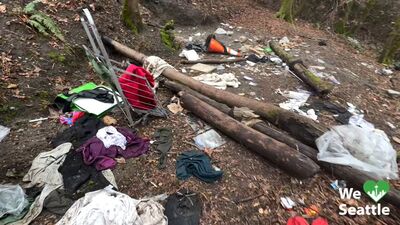
T Wolf, a San Francisco recovery advocate, estimates half of people using drugs on the streets already have housing. In Seattle, We Heart Seattle documented a man named Eno who claimed to be homeless — then admitted he’s had an apartment through DESC for ten years. He says his ‘real home is still on the streets.’ This is what low-barrier housing produces: taxpayer-funded units with no sobriety requirements, enabling addiction while politicians announce more ‘housing accelerators.’

Jan 16, 2026 · 2 min