SF Housing Nonprofit Helps Residents to Use Drugs
162 people have died of overdoses in their buildings since 2020. Their solution? Help the residents use drugs.
TL;DR
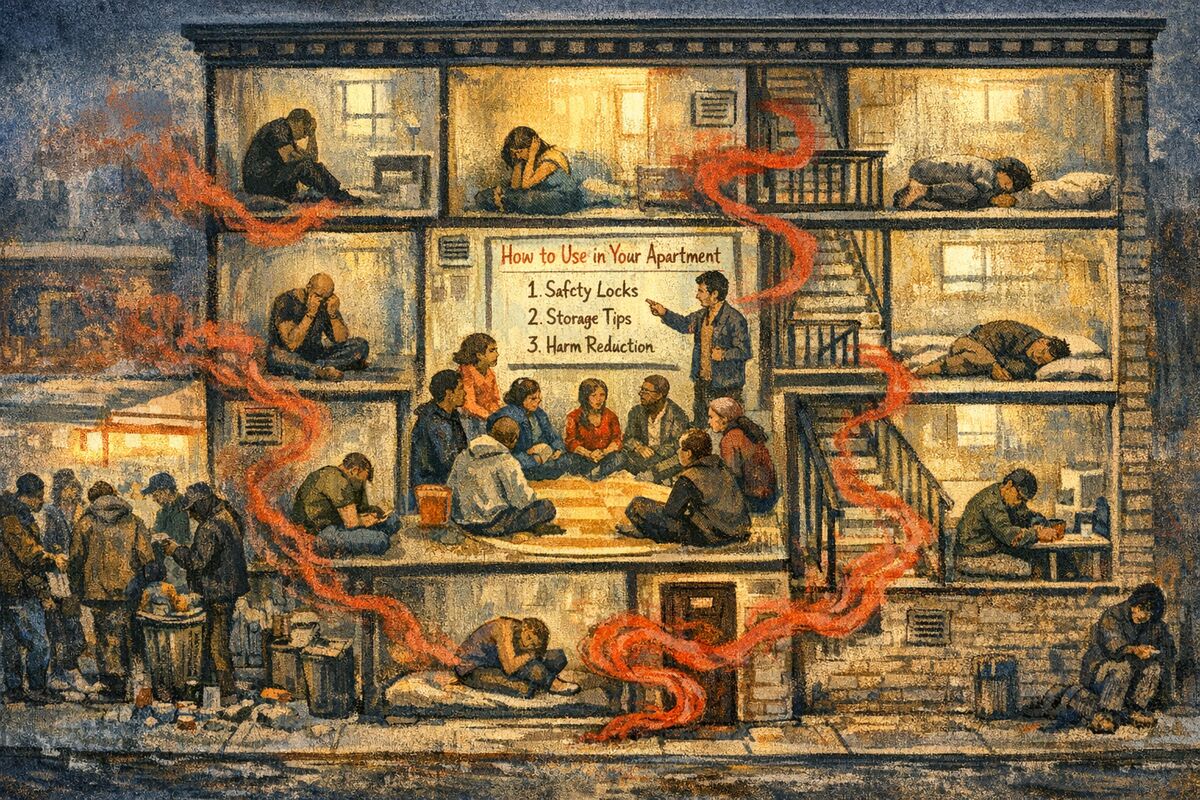
A San Francisco homeless housing provider with the worst overdose death record in the city is running a pilot program to help residents use drugs in their apartments. This is harm acceleration funded by your taxes.
An NGO running taxpayer-funded housing for the homeless has a pilot program teaching residents how to use drugs in their apartments. 162 people have died of overdoses in their buildings since 2020.
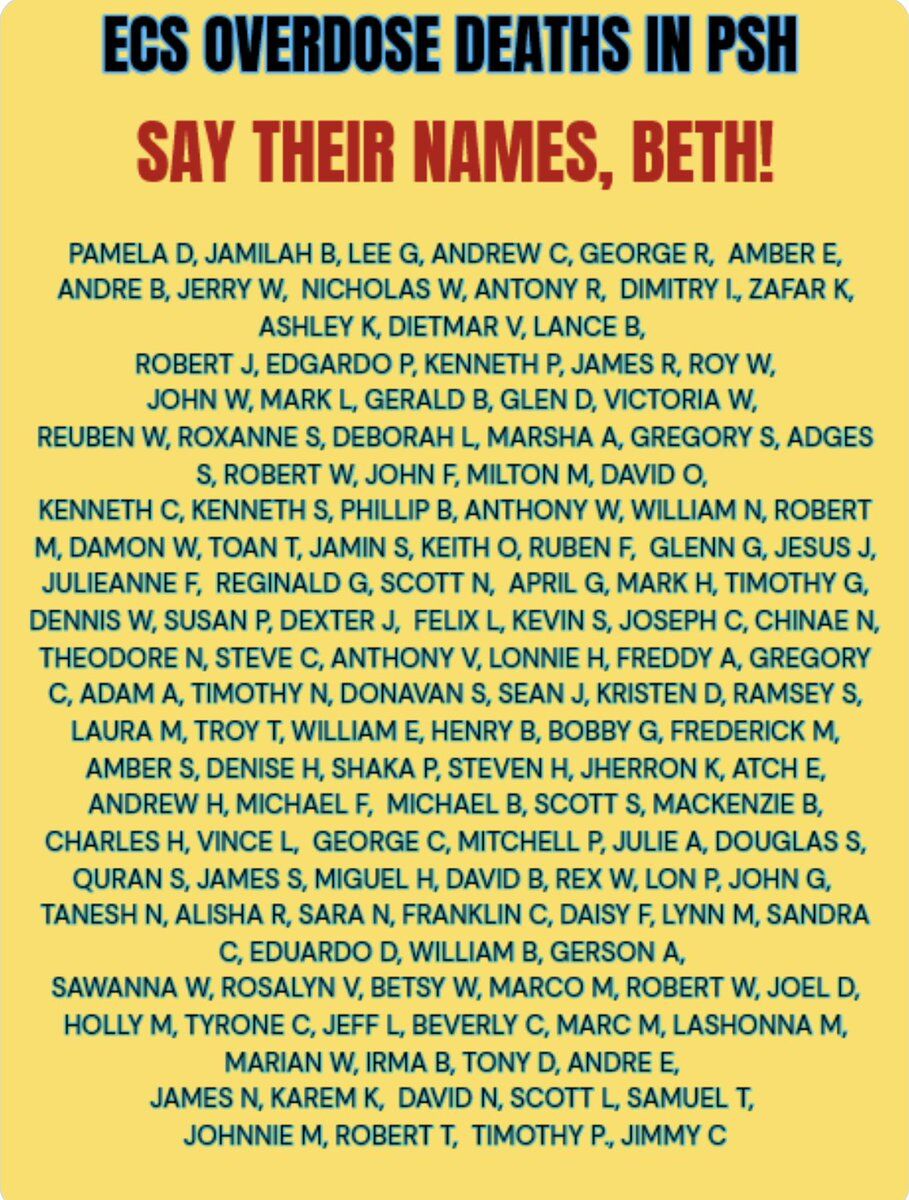
Every single person who died had a name. And this policy failed them. This is not compassionate.
This is insane.
Surround people with drugs, help them use, and wonder why it happens
Episcopal Community Services leads all San Francisco housing providers in overdose deaths: 162 since 2020, more than any other organization. The memorial image lists dozens of names: Pamela D, Jamilah B, Lee G, Andrew C, George R, Amber E, Andre B. On and on. Real people who died alone in buildings that were supposed to help them.
Recovery advocate Gina McDonald challenged ECS leadership directly: people overdose and die alone in their permanent “supportive” housing units at a much higher rate than other SF providers.
Gina McDonald is a mother and local activist with 14 years in recovery who nearly lost her daughter to addiction and lost her brother Billy to substance use in 2022. Now co-founder of MADAAD (Mothers Against Drug Addiction and Deaths), she represents many families whose loved ones have died in permanent supportive housing. She fights for recovery-based treatment and intervention policies because she believes “housing first” without sobriety requirements is killing people, and she wants a system that actually helps addicts get clean, not die in their rooms.
Gina says: “Beth can say their names or STFU.”
This isn’t an abstract policy debate. These are people with families who trusted the system to give them a chance at recovery. Instead, they got an apartment with no sobriety requirements, surrounded by open-air drug markets, and nobody checking if they were still breathing.
‘Peer Support’ for Drug Use — Your Tax Dollars at Work
Tom Wolf, a recovery advocate and former homeless San Franciscan, described of ECS’s approach:

This is just one NGO that provides housing to the homeless in San Francisco. They're so OK with drug use inside their buildings that they have a pilot program of "peer support" to help people use drugs in their apartments. Insane. @HUDgov @SoledadUrsua
Read that again. They’re so comfortable with drug use inside their buildings that they’ve created a program to help people use drugs in their apartments. Not recovery support. Drug use support.
This is the logical endpoint of “low barrier” housing. The SF Standard reports that 80% of tenants in one ECS building acknowledged having a drug addiction, while 65% said drug use was a serious impediment in their lives. The response? Not treatment. Not intervention. Peer support for using.
ECS’s own chief operating officer admits fentanyl changed everything. But their policy response is to double down on accomodating drug use instead of pushing recovery.
The $425 Million Death Machine
San Francisco spent $425 million on permanent supportive housing in 2022 alone. The results? 875 people have died of overdoses inside the city’s 122 PSH locations since 2020. That’s 23% of all city overdose deaths. Of the 515 residents the city tracked in permanent housing since 2016, 25% died while 21% returned to the streets.
When The Voice SF contacted ECS CEO Beth Stokes in August 2025 about the 162 deaths, she did not respond — nor did any of the other top five providers.
Stanford research on Housing First confirms what the body count already tells us:
This isn’t harm reduction. The status quo policy is: do drugs everywhere until you die. Since 2016, one in four people in permanent supportive housing died of overdoses. That’s harm acceleration. In a fentanyl environment, “better than homelessness” is a very low bar, and the absence of treatment integration is the real gap.
Two steps forward, one step back
HUD under the new administration is trying to change these policies. Activists and courts are fighting back. But every month this continues, more names get added to that memorial.
Mayor Daniel Lurie’s “Breaking the Cycle” ordinance requires harm-reduction programs to offer counseling/treatment before distributing supplies and bans distributing drug-use supplies in public. But Lurie also signed off on a $25M+ contract extension for ECS through 2027.
The answer isn’t more “peer support” for drug use. It’s treatment. It’s recovery. It’s expecting something better for people than dying alone in a taxpayer-funded apartment. Defund harm acceleration. Fund shelter and treatment.
Related Links
-
Housing First, Morgue Second: SF Overdose Deaths in PSH (The Voice SF)
-
Homelessness in California: Causes and Policy Considerations (Stanford SIEPR)
-
T Wolf's original tweet about ECS drug use program (@Twolfrecovery)
Comments (0)
Sign in to join the conversation.