Why Is Los Angeles Spending $20M on 32 Empty Housing Units?
Los Angeles emptied a building that was already housing people. Four years and $625,000 per unit later, it still houses nobody.

Source: garryslist.org
Source: garryslist.org
TL;DR
LA’s former Ramada Inn was already housing homeless people. They shut it down, spent $20M on 32 units, and four years later it still sits empty. Meanwhile, San Jose houses people for $18K/bed.
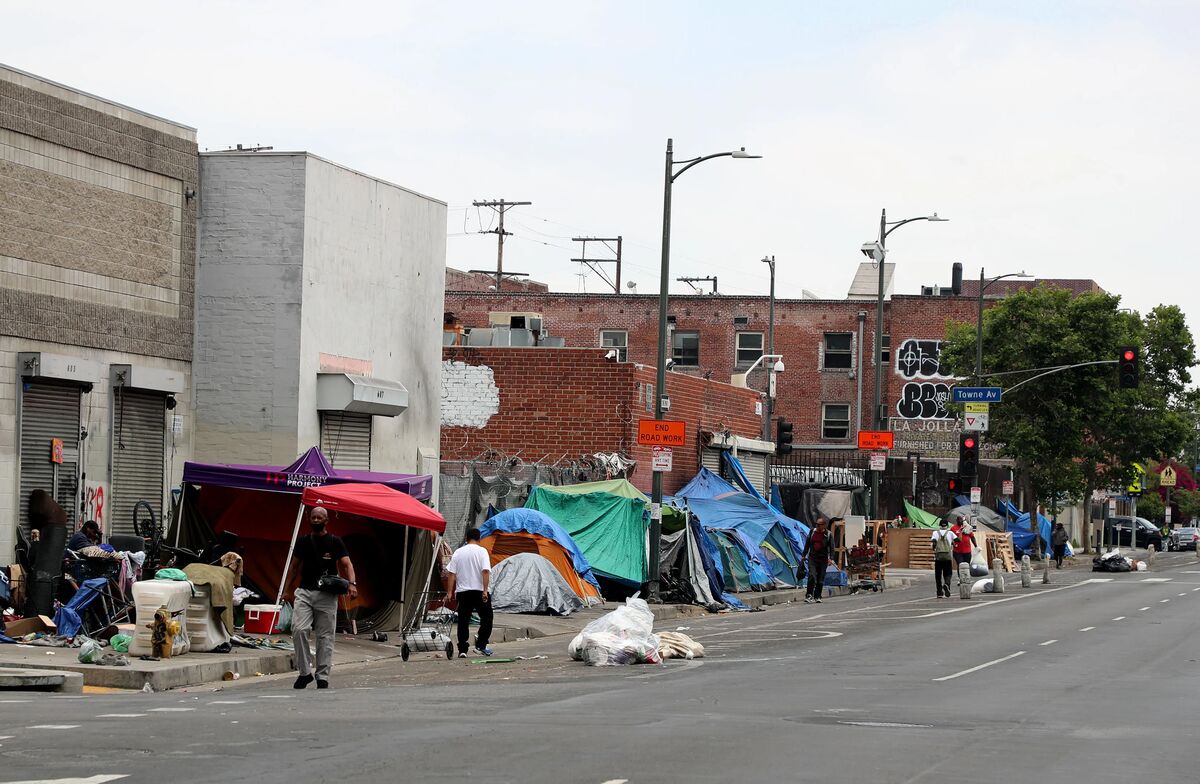
In 2022, LA shut down a former hotel to convert it into permanently supportive housing for the homeless. Four years and $20 million later, the 32 units sit empty. Fox 11 found a pile of used toilet paper and what appeared to be an encampment right next to the building.
Nobody has accounted for the people who were living inside when it closed. Were they relocated? Did they end up back on the streets? A building that was solving the problem was emptied so the system could spend four more years and twice the money not solving it.
Archived tweetHomelessness industrial complex https://t.co/hzscMloOGT
Moses Kagan @moseskagan March 13, 2026
Two words. That’s the whole diagnosis.
$625,000 Per Unit
LA bought the Ramada Inn for $10.2 million in 2020 through Project Homekey. It immediately began working as interim housing. In 2022, the city shut it down so the nonprofit operator PATH could convert it to permanent supportive housing. PATH took almost two years just to get permits approved. By then, they needed more money. The city added $1.5 million in homeless housing funds plus additional loans and grants. Total: approximately $20 million for 32 units. That’s $625,000 each.
Sean O'Brien, a Marina del Rey neighbor, has watched the building sit vacant: “Where are the workers? Where is the urgency?” City officials now admit the project exposed major flaws in the process and recommend not shutting down any Homekey sites until full funding is secured. Too late for this one. Someone was handed a functioning building and $10.2 million. What we got back: an empty building and a $20 million tab.
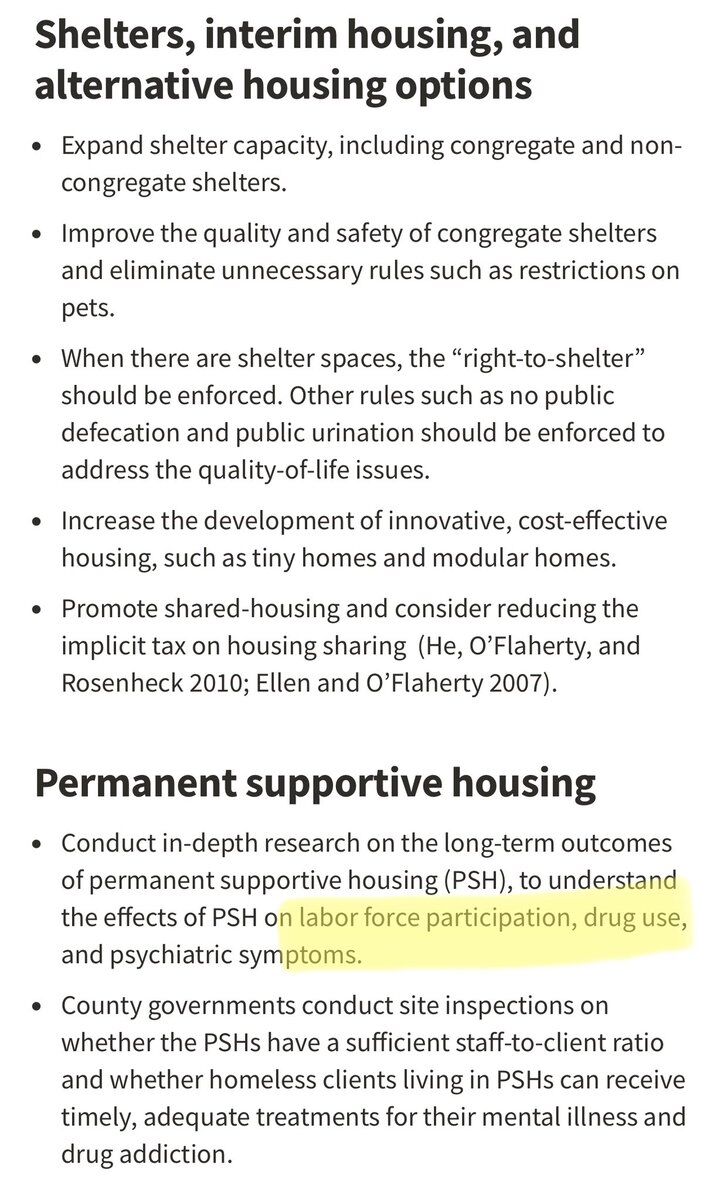
The scandal is not that PATH’s per-unit cost is outrageous by California standards. The scandal is that it isn’t. A Stanford SIEPR policy brief found the average per-unit cost for supportive housing in California in 2021 was approximately $600,000. Fourteen percent of units exceed $700,000. The Ramada Inn, at $625,000, is basically average.
PATH is not a fly-by-night operator. They’re one of LA’s most prominent homeless services nonprofits, running major projects across the city. That makes this impossible to dismiss as a one-off. This is the A-team, and this is what the A-team produces.
Follow the Money
Scale the dysfunction out and the picture gets worse. LAHSA owes at least $69 million to homeless service providers in overdue payments. A federal judge audit found LA officials made it impossible to accurately track homelessness spending by outsourcing to an agency that fails to collect data or hold vendors accountable.
First Assistant US Attorney Bill Essayli found “massive amounts of fraud” in California’s homeless services. Cody Holmes, a former Shangri-La Industries CFO, was charged with mail fraud after diverting over $2.2 million from Homekey funds for luxury purchases. Essayli says “dozens of other investigations” are ongoing. The State Auditor found over $70 billion in taxpayer funds lost or mismanaged across California agencies, including $24 billion in homelessness spending that did not consistently track outcomes.
Thirty LA nonprofits went from a combined $12,000 in revenue to $121.7 million in under a decade. Weingart Center alone: $8,874 to $31.7 million, a 357,163% increase. Over the same period, LA’s homeless population grew 70%, from 44,359 to 75,518. Follow the incentives.
It’s not just LA. In Alameda County, Measure W collected nearly $1 billion for homelessness services since 2020. More than $700 million sat idle while Oakland’s unhoused population grew 9%. In San Francisco, 990 supportive housing units sat unoccupied last year, 10% of the city’s stock, while the budget grew from $202 million in 2016 to $1.1 billion. Review and correct: SF PIT counts show 7,754 (2022) to 8,323 (2024). If citing a different metric (e.g., county-wide or service utilization), specify the source and scope..
If the purpose of a system is what it does, this system’s purpose is clear. Not ending homelessness. Sustaining the industry that depends on it.
The pattern repeats everywhere Homekey goes. In San Francisco, the Granada Hotel was purchased with Homekey funds and fast-tracked to house formerly homeless individuals. The 112-year-old building’s elderly and disabled long-term tenants were promised nothing would change. Police recorded 41 incidents in a single year, including assaults and an attempted rape of a resident in her 90s. At least four people died.
Homekey doesn’t just fail to house people. It sometimes un-houses them.
California Banned Sober Housing
California Welfare & Institutions Code § 8255, enacted in 2016, says “the use of alcohol or drugs in and of itself, without other lease violations, is not a reason for eviction.” Zero publicly funded sober housing in the entire state.
The result: 875 drug overdose deaths inside San Francisco’s 122 permanent supportive housing locations since 2020. Nearly 70% from buildings run by just six providers. Those providers received $720 million over five years. Not one responded to press inquiries.
The nonprofits profiting from this system actively lobby to preserve it. Brilliant Corners, a major homelessness nonprofit that works closely with Daniel Lurie’s former nonprofit Tipping Point, signed a joint letter opposing changes to Housing First laws that would have allowed public funding for sober living homes and permitted programs to address relapses. They fought to keep the ban on recovery housing intact. Follow the incentives.
Political backlash is building. Riverside City Council voted 4-3 to reject a $20.1 million Homekey+ grant that would have converted a Quality Inn into 114 units. Councilmember Sean Mill: “A centerpiece of my campaign has always been that the housing-first model is a failure.” Cities are starting to say no.
What $18,000 Per Bed Looks Like
San Jose Mayor Matt Mahan built 1,000+ interim housing beds at $18,000 per bed per year. The results: 95% utilization. 70% remain off the streets after exit. approximately 50% graduate to permanent housing (per Silicon Valley at Home data). Unsheltered homelessness dropped 23%, from roughly 5,100 to under 4,000. The sheltered rate climbed from 16% to 40%.
Mahan’s framing: “When a ship is sinking, you don’t start building a brand-new ship. First you get the passengers into lifeboats.”
With $20 million you could fund roughly 1,100 bed-years under San Jose’s model. LA chose: four years, zero people housed, construction ongoing. San Jose gets people off the streets for $18,000 per bed. LA spends $625,000 per unit and can’t finish the building.
California doesn’t need more money for homelessness. It needs to dismantle the industrial complex and replace it with what works: YIMBY housing policy to bring costs down. Fund shelters and treatment. Re-legalize sobriety requirements for permanent supportive housing paid for with state funds. Claw back funds from nonprofits that don’t deliver results. Mahan is running for governor on exactly this platform.
Thirty rooms. Four years. $20 million. Zero housed. The voters who funded this with their taxes deserve to know which officials are going to change the contract terms and which ones plan to keep signing renewals.
Take Action
Share the Fox 11 investigation. Every voter who funded Homekey deserves to see where their money went.
Related Links
-
Fox 11: Taxpayer-Funded Housing Project Still Unfinished (Fox 11 / Matt Seedorff)
-
Feds Expose California's $70 Billion Homeless Grift (Garry's List)
-
Homelessness in California: Causes and Policy Considerations (Stanford SIEPR)
-
How San Jose Is Tackling Homelessness (Voice of San Francisco)
-
30 LA Homeless Nonprofits Went From Pennies to $121 Million (Westside Current)
-
Housing First, Morgue Second (Voice of San Francisco)
Comments (0)
Sign in to join the conversation.