Noam Chomsky Denied a Genocide, Advised Epstein, and Paid No Price.
Thomas Sowell explained why intellectuals never pay for being wrong. The Epstein files just proved him right again.
Source: x.com
Source: x.com
TL;DR
From Cambodia to Epstein, Chomsky illustrates Thomas Sowell’s claim that intellectuals face no consequences for catastrophic errors—a system California is only now starting to crack with moves like UC’s DEI rollback.
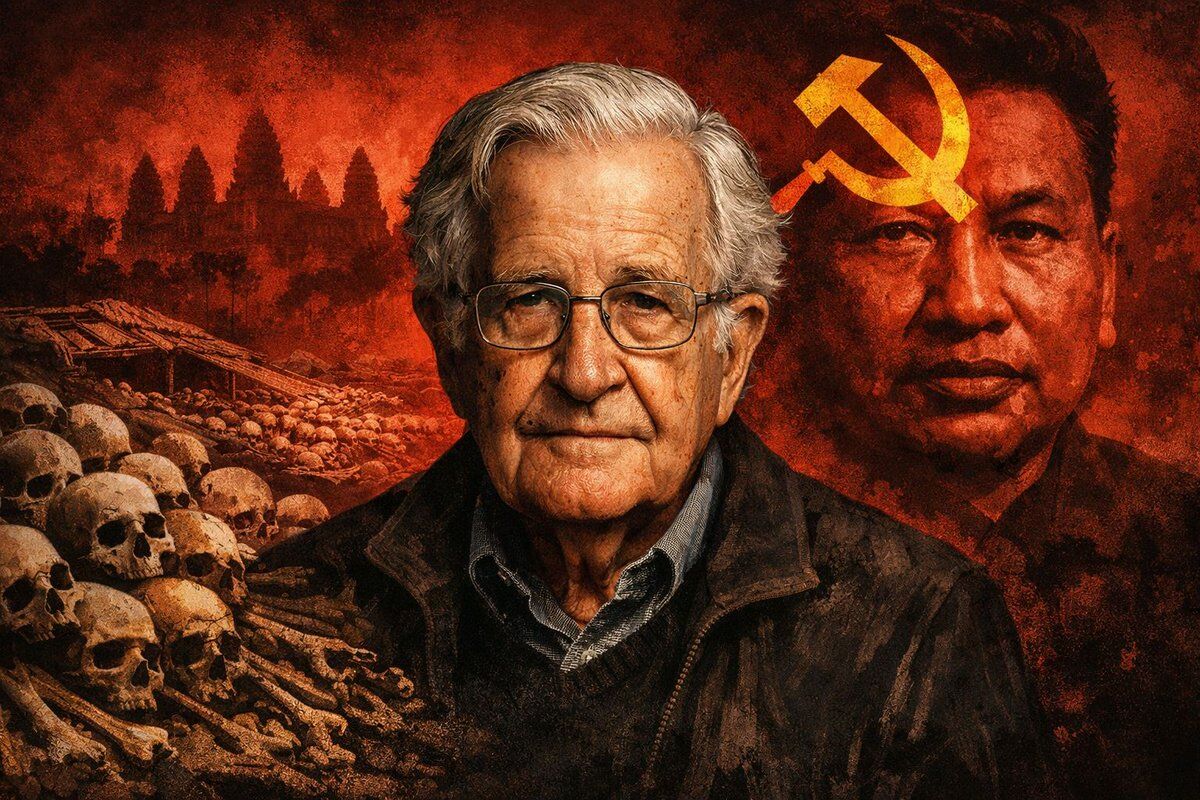
Between 1975 and 1979, the Khmer Rouge killed an estimated 1.2 to 2.3 million Cambodians. More than a fifth of the country. Up to 20,000 mass graves. While the killing was still underway, Noam Chomsky co-authored an article in The Nation arguing Western media was exaggerating the death toll to justify American intervention. He kept his MIT chair. His books kept selling.
Then the DOJ released 3.5 million pages of Jeffrey Epstein files. Among them: emails showing Chomsky counseled the convicted sex trafficker on how to dodge the press. The pattern Thomas Sowell identified decades ago keeps proving itself.

Noam Chomsky defended the Khmer Rouge while they were killing 25% of Cambodia's population. He kept his position at MIT. His reputation kept growing. His books kept selling. Thomas Sowell predicted this would happen. He explained exactly why it always does.🧵
The Man Who Doubted Genocide Survivors
On June 6, 1977, Chomsky and Edward Herman published “Distortions at Fourth Hand” in The Nation. They dismissed refugee accounts of Khmer Rouge massacres, arguing refugee testimony deserved “great care” because refugees are “subject to pressure.” Chomsky called Barron and Paul’s genocide documentation “a third rate propaganda tract.” An academic analysis of American press coverage later found they went so far as to frame the reported “slaughter” as a New York Times fabrication.
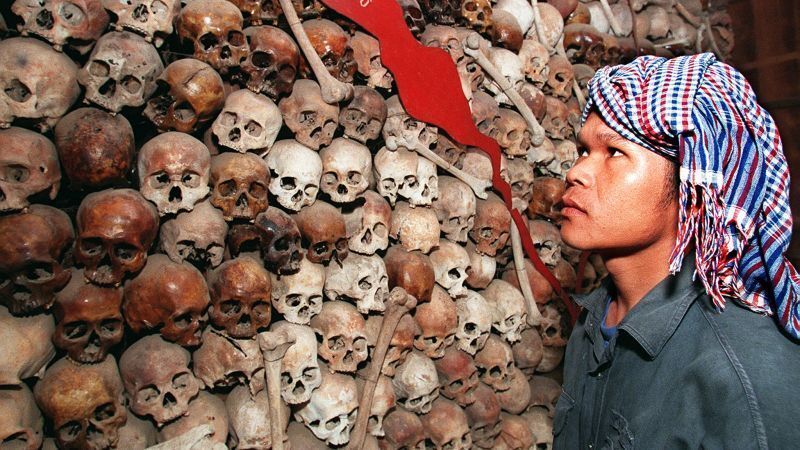
François Ponchaud, the French priest who documented the massacres in Cambodia: Year Zero, responded directly:
Paul Johnson tracked the shifting positions in Intellectuals. First: no massacres, just propaganda. Then small-scale killings exploited by cynical humanitarians. Then killings were real but caused by American war crimes. Then the Khmer Rouge weren’t real Marxists anyway. The evidence changed. America was always the villain.
The Debate
In 1991, Oxford doctoral candidate Jamie Metzl sent Chomsky five direct questions about his Cambodia positions. Chomsky’s response: a lengthy assault on “British intellectual culture” that dismissed every premise and denied any debate had ever occurred.
Metzl’s rebuttal documented that the debate was real. And it had real consequences. Martin Ennals, then Secretary-General of Amnesty International, told Metzl he was “never absolutely certain that the reports of mass atrocities were reliable” because of the continued contradiction of such reports. The head of Amnesty International, uncertain about a genocide, in a fog of doubt Chomsky and others helped create.
On May 3, 1977, Congressman Stephen Solarz led a hearing on Cambodia and compared academic justifications of the Khmer Rouge to justifications of Hitler’s murder of Jews.
Then Came the Epstein Files
According to the Philadelphia Inquirer, the DOJ’s Epstein files revealed emails from early 2019 showing Chomsky expressed sympathy for “the horrible way you are being treated in the press” and urged Epstein to avoid media “vultures.” This was after the Miami Herald published its investigation but months before Epstein’s arrest on child sex trafficking charges.
Archived tweet@sfliberty Is this the same socialist enjoying a private jet ride with a notorious millionaire? https://t.co/m5wC5otRKk
Terence Shen 公子沈 @Terenceshen March 04, 2026
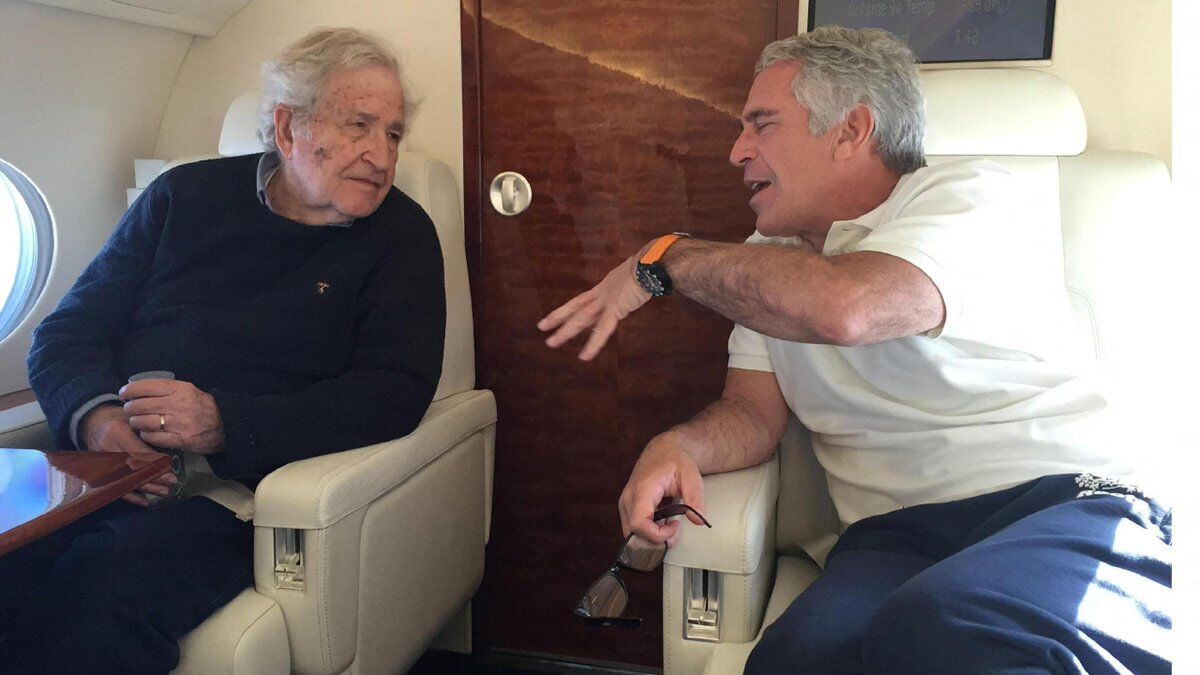
Recent reports show that Valeria Chomsky has publicly admitted “serious errors in judgment” over the couple’s relationship with Jeffrey Epstein. The same playbook, in my view, as Cambodia. Minimize, deflect, offer a soft non-apology years after the damage is done. Human rights activist Aryeh Neier documented the same pattern reviewing Chomsky’s Kosovo arguments: ad hominem attacks on critics, dishonest framing of evidence. Different decade, same deflection.
Sowell Named the Mechanism
Thomas Sowell saw this pattern and named it. In Intellectuals and Society (2010), he identified the structural flaw: intellectuals face far less accountability for being wrong than other professionals.
A doctor who kills patients loses their license. An engineer whose bridge collapses faces lawsuits. An intellectual who, in effect, provides cover for genocide writes another book.
Sowell noticed this pattern and named the mechanism behind it. In Intellectuals and Society, he observed that intellectuals are the only professionals never judged by consequences. A doctor who kills patients loses their license. An engineer whose bridge collapses faces lawsuits. An intellectual whose ideas contribute to millions of deaths writes another book. Nobody calls him to account. Nobody takes the degree back. The next conference invitation still arrives. Sowell's point was not that intellectuals are uniquely evil. It was that they operate inside a system with no penalty for being wrong, which means being wrong carries no cost worth avoiding.
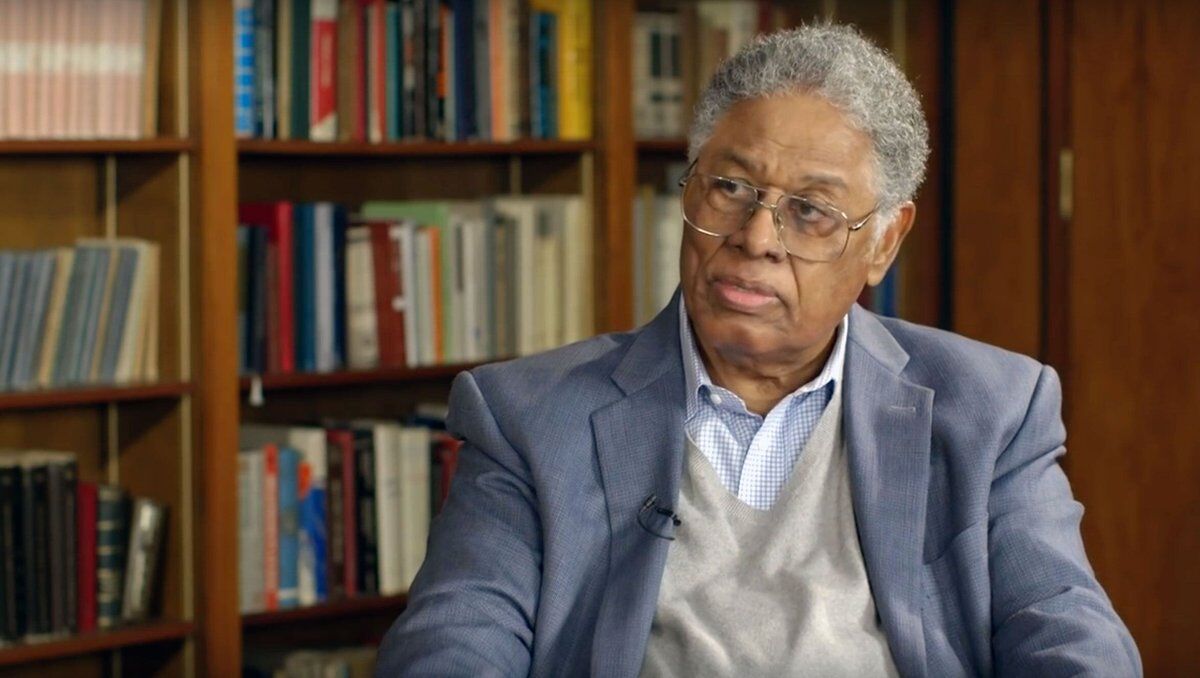
Sowell’s insight was structural, not moral. Intellectuals operate inside a system with no penalty for being wrong. When being wrong carries no cost, being wrong becomes the default.
The Pattern Is Everywhere
Chomsky isn’t the anomaly. He’s the proof of concept.
Three of Chesa Boudin’s four guardians, all tied to Weather Underground political violence, became prominent professors. Bill Ayers: Distinguished Professor at the University of Illinois. Bernardine Dohrn: Clinical Associate Professor at Northwestern. Kathy Boudin: adjunct at Columbia after prison. You could argue their violent extremism helped their later academic careers. The system didn’t just tolerate them. It promoted them. And after being recalled as San Francisco’s DA, Chesa Boudin himself landed at UC Berkeley. UC Berkeley is publicly funded and we deserve a commitment to truth.
If you wonder how anti-public safety and anti-merit, anti-Algebra policy joined forces in California schools, the trail leads straight to domestic terrorists who landed in education departments.
The conformity engine this system produces is measurable. A 2024 study of 1,452 students at Northwestern and the University of Michigan found 88% admitted faking progressive views. Over 80% submitted classwork that misrepresented their actual beliefs. That’s not peer pressure. That’s identity regulation at scale. When self-abandonment for fear of ideological fallout is the norm, you can’t have a conversation about making systems better.
What Happens to People Who Get It Right
Orwell struggled to publish Animal Farm because it offended Soviet sympathizers. Camus was shunned by the French left for denouncing labor camps; Sartre mocked him publicly. Solzhenitsyn was expelled from his country for documenting what Chomsky was busy doubting.
And Ponchaud? Chomsky pressured the priest to “stem the flood of lies about Cambodia,” trying to discredit the one man telling the truth while millions died. Every one of them was vindicated by history. None received an apology.
Paul Johnson studied intellectuals from Rousseau to Chomsky over decades. His conclusion: “One of the principal lessons of our tragic century is: beware intellectuals. Not merely should they be kept well away from the levers of power, they should also be objects of particular suspicion when they seek to offer collective advice.”
Chomsky spent years downplaying reports of genocide and kept his chair. Counseled a sex trafficker and kept his legacy. The system has no error-correction because the system was never designed to correct errors. It was designed to protect its members.
The UC system just banned required DEI statements in hiring, one structural crack in the same accountability-free system that, in my view, protected Chomsky for decades. Read the Metzl-Chomsky correspondence. It’s the most damning primary source on how intellectual self-protection actually works. The system never corrected itself. Every correction came from outside, from people the system tried to silence.
Related Links
-
Students For Liberty thread on Chomsky and Sowell (@sfliberty)
-
Cambodian genocide denial (Wikipedia)
-
American Press Coverage of Genocide in Cambodia (Santa Clara University)
-
Jeffrey Epstein-Chomsky Justice Files (Philadelphia Inquirer)
-
Aryeh Neier Replies on Chomsky (Dissent Magazine)
Comments (0)
Sign in to join the conversation.