A parole officer sent an email: “Agents must not search for violations.” Then two women died.
Now a civil rights lawsuit names the officials who told parole agents to look the other way.

Source: garryslist.org
Source: garryslist.org
TL;DR
California’s prison and parole agency allegedly told officers to stop looking for a GPS‑tracked felon with 91 prior felonies. Weeks later he killed Hanako Abe and Elizabeth Platt.
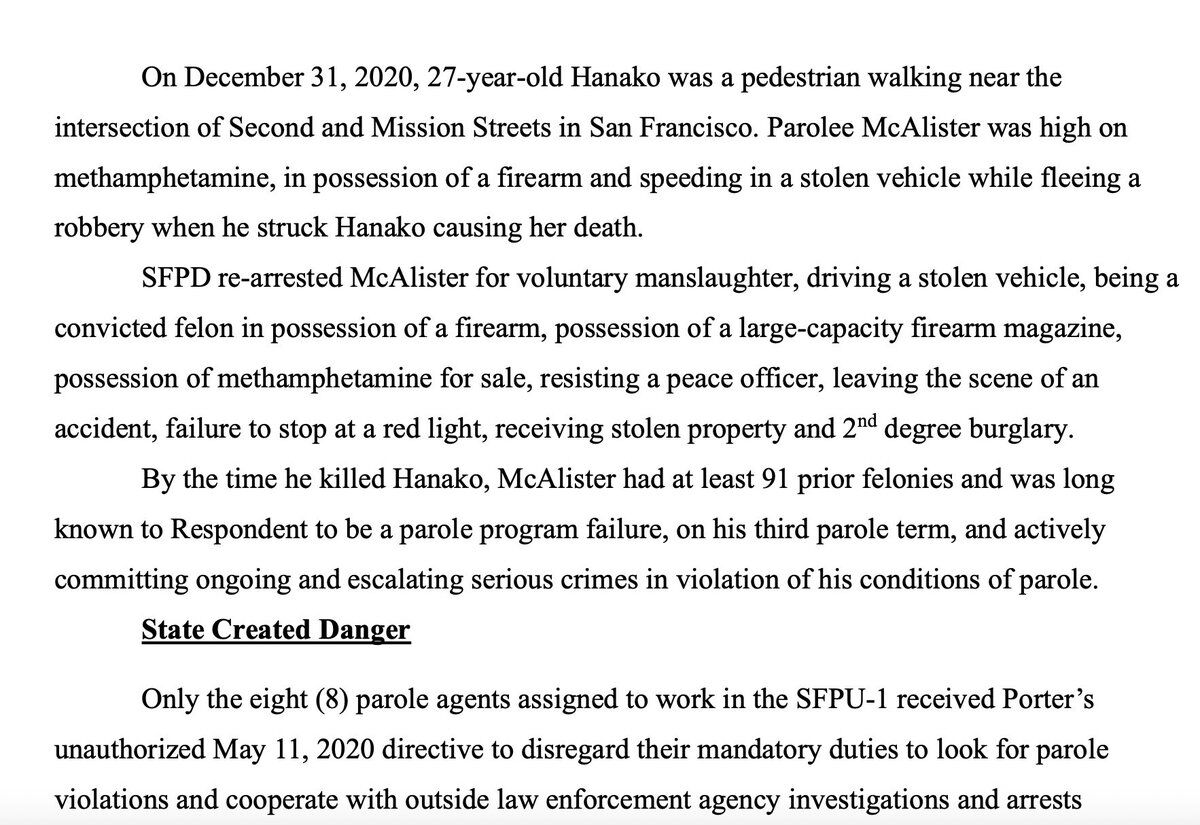
Ninety-one prior felonies. Five arrests in six months. Eleven combined days in jail. On December 31, 2020, Troy McAlister was high on methamphetamine, armed with a firearm, and behind the wheel of a stolen car fleeing a burglary when he ran a red light at 2nd and Mission Streets. He killed Elizabeth Platt, 60, and Hanako Abe, 27.
This week, attorney Anh Phoong filed a civil lawsuit against California state parole alleging both deaths were preventable. At the center of the case: a whistleblower email from inside CDCR that told San Francisco parole agents to stop doing their jobs.
91 Felonies, Five Arrests, 11 Days
We’ve covered this case before. McAlister’s 2020 arrest record is a monument to system failure. The Voice of San Francisco documented the timeline: burglary on June 28. Stolen vehicle on August 20. Stolen vehicle, stolen phone, and meth on October 15. Auto burglary on November 6, where officers noted his GPS ankle monitor. Stolen vehicle and meth again on December 20. Five felony arrests in six months. Eleven total days behind bars.
After the November arrest, SF State University Police were so alarmed they flagged it directly in their report for the DA:
Nobody acted on that warning. In March 2020, DA Chesa Boudin had given McAlister a time-served plea deal on a 2015 robbery where his exposure was 35 years to life. That plea deal became one of the catalysts for Boudin’s recall in June 2022.
‘Agents Must Not Search for Violations’
On May 11, 2020, Tom Porter, Parole Agent III at CDCR’s San Francisco Parole Unit 1, emailed his agents with revised pandemic procedures. Buried in the directives: “Agents must not search for violations.” And: “Agents not to provide agency assistance.” Don’t look for problems. Don’t help police find parolees.
![From: Porter, Tom@CDCR
Sent: Monday, May 11, 2020 12:22 PM
To: [REDACTED] @CDCR; Vasquez, Roberto@CDCR; [REDACTED]
Cc: Reyes, Rhoderick@CDCR; Tram, Peter@CDCR; Aguilar, Dina@CDCR
Subject: STAGE 2 - REVISED PROCEDURES IN RESPONSE TO STATE OF EMERGENCY AND COVID-19 PANDEMIC
Attachments: Revised Procedures In Response To The State Of Emergency And Covid-19 Pandemic (002).pdf
San Francisco Parole Unit 1 Agents,
Please be aware that, as of today, DAPO's field operation stages have been updated t...](https://dm2nowkhw0ff4.cloudfront.net/uploads/0ex36sen5jwex75v17zt0y3ymdh3)
The lawsuit calls this directive “unauthorized,” sent only to the eight parole agents in San Francisco Parole Unit 1, not statewide. McAlister, a parolee under active CDCR supervision wearing a GPS ankle monitor, was on their caseload.
The directive was framed as COVID safety. The central danger was leaving a man with 91 felonies, five recent arrests, and a GPS signal broadcasting his location completely unsupervised on San Francisco streets.
On December 29, 2020, Daly City police asked parole officials for help locating McAlister for felony carjacking and brandishing a firearm with a high-capacity magazine. Parole had his GPS data. They had the authority to seek a warrant. They took no enforcement action. Two days later, he killed two women.
Two CDCR whistleblowers are expected to come forward publicly in the coming days.
The Lawsuit
Phoong’s civil lawsuit is built on the “state-created danger” doctrine: the government is liable under the 14th Amendment when its own actions create or worsen danger from private parties. When CDCR ordered its agents to stop enforcing parole violations and stop cooperating with police, the lawsuit argues, it manufactured the conditions for McAlister to kill.

𝐁𝐑𝐄𝐀𝐊𝐈𝐍𝐆: Attorney Anh Phoong files lawsuit against California state parole, alleging the 𝐝𝐞𝐚𝐭𝐡𝐬 𝐨𝐟 𝐇𝐚𝐧𝐚𝐤𝐨 𝐀𝐛𝐞 𝐚𝐧𝐝 𝐄𝐥𝐢𝐳𝐚𝐛𝐞𝐭𝐡 𝐏𝐥𝐚𝐭𝐭 𝐢𝐧 𝐃𝐞𝐜𝐞𝐦𝐛𝐞𝐫 𝟐𝟎𝟐𝟎 𝐰𝐞𝐫𝐞 𝐩𝐫𝐞𝐯𝐞𝐧𝐭𝐚𝐛𝐥𝐞. ⠀ At the center of the case is a 𝐰𝐡𝐢𝐬𝐭𝐥𝐞𝐛𝐥𝐨𝐰𝐞𝐫 𝐞𝐦𝐚𝐢𝐥 𝐟𝐫𝐨𝐦 𝐭𝐡𝐞 𝐂𝐚𝐥𝐢𝐟𝐨𝐫𝐧𝐢𝐚 𝐃𝐞𝐩𝐚𝐫𝐭𝐦𝐞𝐧𝐭 𝐨𝐟 𝐂𝐨𝐫𝐫𝐞𝐜𝐭𝐢𝐨𝐧𝐬 𝐚𝐧𝐝 𝐑𝐞𝐡𝐚𝐛𝐢𝐥𝐢𝐭𝐚𝐭𝐢𝐨𝐧 (𝐂𝐃𝐂𝐑) that allegedly instructed certain parole agents 𝐧𝐨𝐭 𝐭𝐨 𝐬𝐞𝐚𝐫𝐜𝐡 𝐟𝐨𝐫 𝐯𝐢𝐨𝐥𝐚𝐭𝐢𝐨𝐧𝐬 𝐨𝐫 𝐚𝐬𝐬𝐢𝐬𝐭 𝐨𝐮𝐭𝐬𝐢𝐝𝐞 𝐥𝐚𝐰 𝐞𝐧𝐟𝐨𝐫𝐜𝐞𝐦𝐞𝐧𝐭 𝐝𝐮𝐫𝐢𝐧𝐠 𝐭𝐡𝐞 𝐩𝐚𝐧𝐝𝐞𝐦𝐢𝐜. ⠀ The lawsuit says the man responsible for Abe’s death, 𝐓𝐫𝐨𝐲 𝐌𝐜𝐀𝐥𝐢𝐬𝐭𝐞𝐫, 𝐰𝐚𝐬 𝐚 𝐩𝐚𝐫𝐨𝐥𝐞𝐞 𝐮𝐧𝐝𝐞𝐫 𝐚𝐜𝐭𝐢𝐯𝐞 𝐬𝐮𝐩𝐞𝐫𝐯𝐢𝐬𝐢𝐨𝐧 𝐛𝐲 𝐂𝐃𝐂𝐑. Court filings say 𝐌𝐜𝐀𝐥𝐢𝐬𝐭𝐞𝐫 𝐡𝐚𝐝 𝐛𝐞𝐞𝐧 𝐫𝐞-𝐚𝐫𝐫𝐞𝐬𝐭𝐞𝐝 𝐟𝐢𝐯𝐞 𝐭𝐢𝐦𝐞𝐬 𝐢𝐧 𝐭𝐡𝐞 𝐬𝐢𝐱 𝐦𝐨𝐧𝐭𝐡𝐬 𝐛𝐞𝐟𝐨𝐫𝐞 𝐭𝐡𝐞 𝐜𝐫𝐚𝐬𝐡 𝐚𝐧𝐝 𝐡𝐚𝐝 𝐚𝐭 𝐥𝐞𝐚𝐬𝐭 𝟗𝟏 𝐩𝐫𝐢𝐨𝐫 𝐟𝐞𝐥𝐨𝐧𝐢𝐞𝐬. ⠀ On Dec. 29, 2020, Daly City police asked parole officials for help locating him for 𝐟𝐞𝐥𝐨𝐧𝐲 𝐜𝐚𝐫𝐣𝐚𝐜𝐤𝐢𝐧𝐠 𝐚𝐧𝐝 𝐛𝐫𝐚𝐧𝐝𝐢𝐬𝐡𝐢𝐧𝐠 𝐚 𝐟𝐢𝐫𝐞𝐚𝐫𝐦 𝐰𝐢𝐭𝐡 𝐚 𝐡𝐢𝐠𝐡-𝐜𝐚𝐩𝐚𝐜𝐢𝐭𝐲 𝐦𝐚𝐠𝐚𝐳𝐢𝐧𝐞. ⠀ Two days later, on Dec. 31, 2020, while fleeing another crime in a stolen vehicle, McAlister struck and killed Platt and 27-year-old Abe in San Francisco. ⠀ The claim alleges parole agents had 𝐆𝐏𝐒 𝐚𝐧𝐤𝐥𝐞-𝐦𝐨𝐧𝐢𝐭𝐨𝐫 𝐝𝐚𝐭𝐚 𝐚𝐧𝐝 𝐭𝐡𝐞 𝐚𝐮𝐭𝐡𝐨𝐫𝐢𝐭𝐲 𝐭𝐨 𝐬𝐞𝐞𝐤 𝐚 𝐰𝐚𝐫𝐫𝐚𝐧𝐭 — 𝐛𝐮𝐭 𝐝𝐢𝐝 𝐧𝐨𝐭 𝐚𝐜𝐭. ⠀ I spoke with Phoong, known statewide for her billboard ads, about why she is taking on the case — especially when other firms declined to join the lawsuit. ⠀ She told me 𝐧𝐨𝐰 𝐢𝐬 𝐭𝐡𝐞 𝐭𝐢𝐦𝐞 𝐟𝐨𝐫 𝐀𝐬𝐢𝐚𝐧 𝐀𝐦𝐞𝐫𝐢𝐜𝐚𝐧𝐬 𝐭𝐨 𝐬𝐩𝐞𝐚𝐤 𝐮𝐩 𝐚𝐧𝐝 𝐟𝐢𝐠𝐡𝐭 for each other when accountability is in question. ⠀ We expect to hear from Abe’s mother, 𝐇𝐢𝐫𝐨𝐤𝐨 𝐀𝐛𝐞, 𝐚𝐧𝐝 𝐭𝐡𝐞 𝐭𝐰𝐨 𝐰𝐡𝐢𝐬𝐭𝐥𝐞𝐛𝐥𝐨𝐰𝐞𝐫𝐬 in the coming days. ⠀ #justice #aapi #sanfrancisco

Other law firms declined to take the case. Phoong, known statewide for her personal injury billboard ads, took it on anyway. In a video, she explained why: “It’s important that we speak up, especially as Asians, the minorities who have grown up taught to be silent. Taking this case is very much me speaking up, very much me saying, this is what I believe in, and I’m going to do something about it.”
This is the same institutional rot you see across California government. Building departments that don’t inspect. School districts that pass kids through without testing. The bureaucracy protects itself, and the public pays the price. The difference here is that the price was two lives.
Five Years, 40 Hearings, No Trial
The criminal case drags on. Between January 5, 2021 and July 15, 2024 alone, there were 40 hearings, motions, and conferences. The public defender has tried every exit ramp: release to a residential program, mental health diversion, drug court, and finally a 995 motion to dismiss all charges filed in December 2025.
On October 28, 2025, Judge Michael Begert denied diversion and told McAlister to “face your community through the criminal justice system and take accountability.”
Through all of this, Hiroko Abe, Hanako’s mother, follows the proceedings from Japan. She gets updates by email. She attends hearings by Zoom. She participates in a legal system operating in a different language and timezone, fighting for her daughter from across the Pacific.
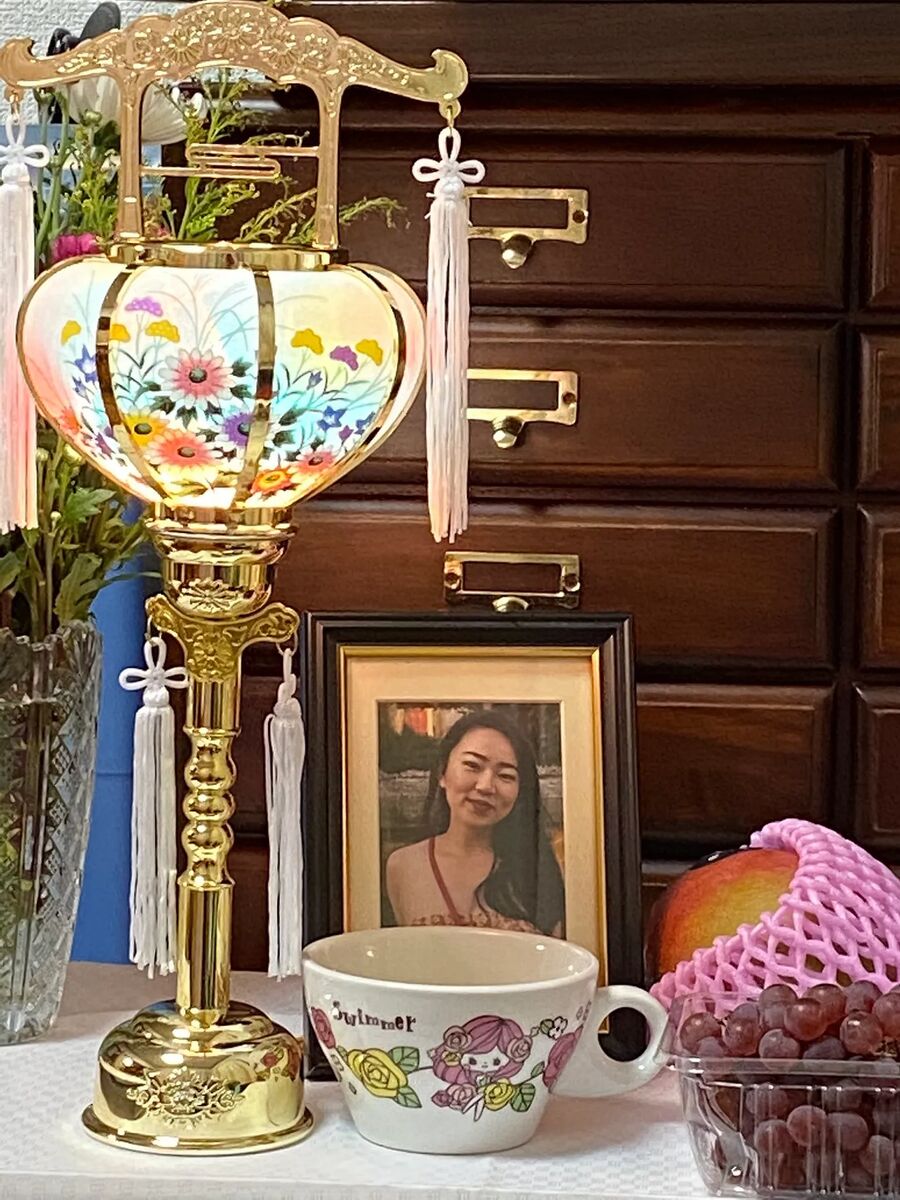
Hiroko called the diversion attempt “nothing more than an attempt to evade responsibility for the crimes.”
This isn’t an isolated failure. Alameda County DA Pamela Price dismissed pretrial charges against Sebron Russell, who was later charged with killing a police officer. A San Francisco DA’s office miscalculated a hearing date and a violent felon walked free. The thread connecting all of it: systems that prioritize process over protection, every single time.
Public safety in cities like San Francisco is fixable. It requires bureaucrats and politicians to make different choices. The Phoong lawsuit is one mechanism for forcing that. If the state-created danger doctrine holds, CDCR and every agency like it will answer for ordering agents to stand down while violent parolees roam free. The two whistleblowers expected to come forward could crack this wide open. Follow Dion Lim’s reporting for what comes next.
Hanako Abe loved San Francisco. All she wanted was to make it better and safer. The system that was supposed to protect her effectively told its agents to stand down
Related Links
-
Despite 91 felonies, two deaths, and 25 years of chances, public defender wants diversion (The Voice of San Francisco)
-
CDCR ignored serious felony violations in Troy McAlister case (The Voice of San Francisco)
-
Public defender seeks dismissal of McAlister case (The Voice of San Francisco)
-
Five Years Later, Still No Justice for Hanako Abe (Garry's List)
-
Attorney Anh Phoong explains why she took the case (video) (@DionLimTV / Instagram)
Comments (0)
Sign in to join the conversation.