The New Octopus
The next great startup can be foreclosed before it ever exists, and no antitrust law was built to notice.
TL;DR
Every company you rely on, from Airbnb to Stripe, started as a little startup that got a chance to grow, and that chance depends on open access to the platforms everyone builds on. The path forward is simple and pro-growth: open APIs, real interoperability, and fair placement, so the next generation of founders gets the same shot.
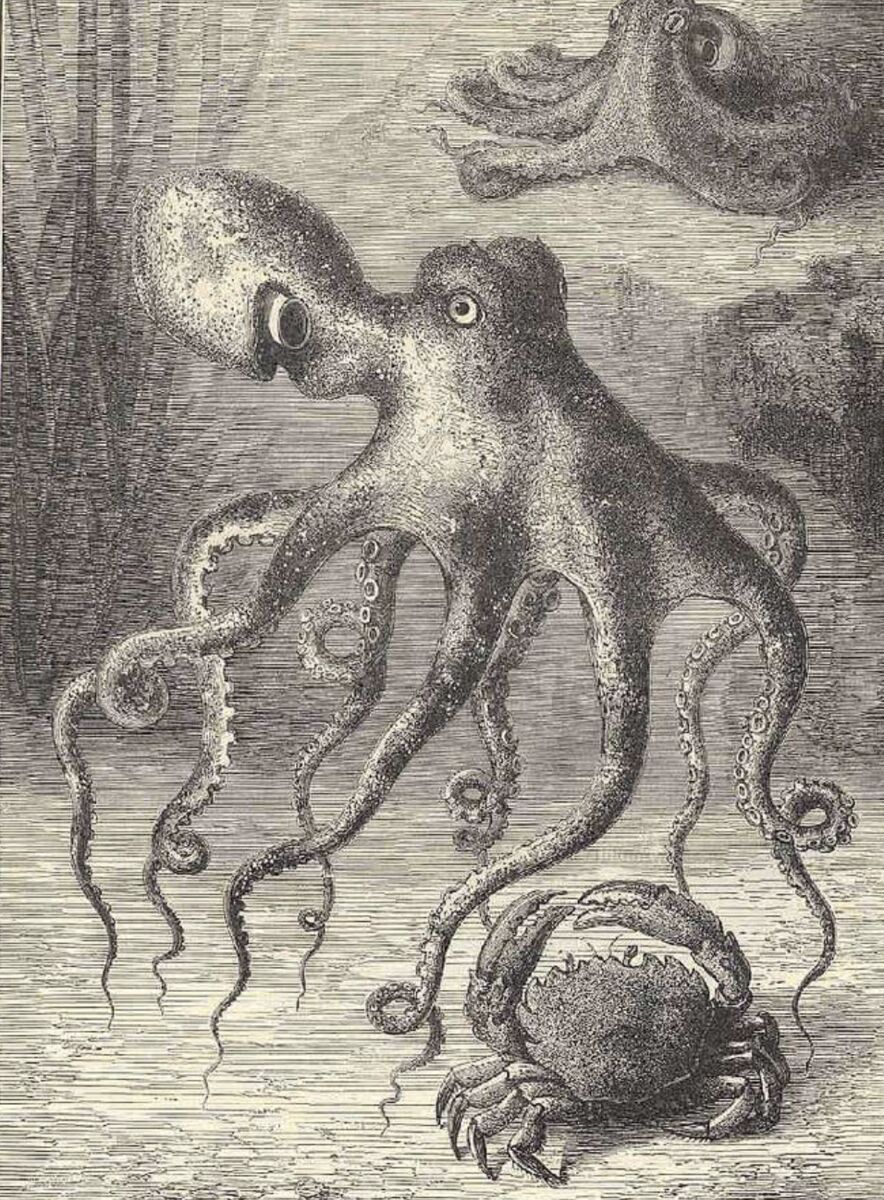
In 1901, a San Francisco journalist named Frank Norris published The Octopus. Although the book was fiction, its subject was thinly veiled: the octopus was the Southern Pacific Railroad, a creature whose tentacles reached into every valley from Sacramento to the sea.
The Southern Pacific did not just move freight. It set the rates that decided which farmers ate and which went bankrupt. It seated legislators, leaned on judges, and wrote the rules of the road for everyone forced to use it. It never had to buy its rivals. It simply owned the track they all had to run on.
Then a coalition broke it. Under Hiram Johnson, elected governor in 1910, farmers, small merchants, reformers, and working people decided California would not be a company town. They did not do it by punishing anyone for being big. They did it by prying the machine’s grip off the track: regulating the rates, ending the free passes that bought legislators, opening the political process the railroad had captured.
Today, we face a new kind of octopus. It does not run on rail, it runs on code, and its tentacles are APIs, app stores, and search indexes instead of track. It does not need to buy the farmers out. It just needs to decide who gets to reach them.
The Power of Little Tech
Almost every technology company woven into your daily life started as a little company that nobody in Washington represented. Airbnb was two guys renting air mattresses. Stripe was a few lines of code that let anyone on the internet accept a payment. DoorDash, Coinbase, Instacart, Dropbox, and Reddit each began as a startup one gatekeeper decision away from never existing, and each is now infrastructure millions of people use without a second thought.
That is the point that gets lost in the fights over antitrust. This is not nostalgia for small companies. It is about which companies keep the economy dynamic. Startups are where the next generation of products comes from, where the benefits of a technology like AI get distributed widely instead of captured by a handful of incumbents, and where American technological leadership is renewed. Every household name you trust was once a little company that got the chance to grow. The question is whether the next one will.
What’s At Risk
Right now that chance is being taken away, and the clearest witnesses are the founders trying to build in the incumbents’ shadow. In April 2025, I testified before the Senate Judiciary Subcommittee on Antitrust, Competition Policy, and Consumer Rights and said it plainly: the unchecked concentration of power in big tech has “severely limited innovation, harmed consumers, and restricted America’s global competitiveness.” I put three human examples on the record.
One YC startup built technology to detect deepfake fraud, the kind of AI-generated voice scam used to trick an elderly parent into wiring money. It was forced to pivot after being denied the API access it needed to reach customers. A tool built to protect the vulnerable never reached the people it was built for.
Beeper, another YC startup founded by Pebble creator Eric Migicovsky, tried to unify messaging across platforms and break the green-versus-blue-bubble divide, with plans for an AI client that could warn users about scams in real time. In December 2023, Apple cut off Beeper Mini’s access to iMessage, and a bipartisan group of lawmakers, Senators Klobuchar and Lee and Representatives Nadler and Buck, asked the Justice Department to investigate. I named the culprit directly in my testimony: “restrictive practices by companies like Apple effectively shut Beeper out of competition.”
And there is the founder who never gets funded at all. In our amicus brief in the government’s monopoly case against Google, filed May 9, 2025, we at Y Combinator described a “kill zone” around the incumbent, where investors “hesitate to fund startups” that might grow into competitors. In our words, Google “has chilled independent firms like YC from funding and accelerating innovative startups that could otherwise have challenged Google’s dominance,” leaving “a landscape that has been artificially stunted and stagnant.”
In none of these cases was a startup acquired. No market was formally consolidated. The competitor was foreclosed through ordinary business conduct that no antitrust filing was ever built to catch. There is no merger to review because there was never a company to buy.
The tools are consistent. Deny a challenger the API access it needs to reach customers. Refuse interoperability so the incumbent’s walled garden stays the only game in town, as Apple did to Beeper. Quietly practice self-preferencing, promoting your own product over rivals, the way Siri sits in front of a billion people while lagging badly, insulated from the competition that would force it to improve. And around all of it, the kill zone does the quietest work of all: it removes the competitor before it is funded, which means before it exists. We argued the result has been to freeze the search and text advertising markets for more than a decade.
The Fix
The fix on the table is not punishment and not a breakup. It is track access: mandate open APIs, enforce interoperability, and limit self-preferencing. End the arrangements that let a gatekeeper buy default placement, like the billions Google pays to be the default search engine on the iPhone. Open core infrastructure such as the search index so competitors can train the next generation of tools on it. Eliminate the noncompete agreements that lock talent inside incumbents, and keep open-source competition alive rather than letting it be regulated away.
Only if a gatekeeper refuses these changes over a period of years does structural separation, a contingent spinoff of the kind proposed for Google’s Android platform, belong on the table as a last resort.
None of that breaks a company for being big. All of it makes room for the next one to be born. California has been a company town before, and it reclaimed itself before, not by hating the powerful but by refusing to let them own the track. The coalition that broke the Southern Pacific won because it named the machine plainly and then took away its grip. That is the same fight, and the same coalition, we need now. The Octopus is back. It just learned to swallow its rivals without ever filing for a merger.
Comments (0)
Sign in to join the conversation.