California Auditors Confirmed Billions in Fraud. The State Ignored Them.
California’s EDD lost $20 billion to fraud and still owes $21 billion on its federal pandemic loan — and that’s only the tip of the iceberg.

Source: wheninyourstate.com
Source: wheninyourstate.com
TL;DR
California’s fraud figures are damning: $20 billion in confirmed EDD fraud, a $21 billion unpaid federal loan, and politicians who ignores 75% of audit recommendations.
There’s a number circulating right now that should stop every Californian in their tracks. Christopher Rufo, a Manhattan Institute fellow and conservative writer, claims the total stolen from California’s government exceeds $180 billion:
Archived tweetSCOOP: Under Gov. Newsom, fraudsters and organized crime rings have stolen at least $180 billion from California's unemployment, healthcare, and welfare programs—the largest financial crime in American history. Welcome to Gavin Newsom's empire of fraud. https://t.co/6kYBPpLAuH
Christopher F. Rufo ⚔️ @christopherrufo April 01, 2026
That figure hasn’t yet been confirmed by independent sources. But you don’t need Rufo’s number to be alarmed. California’s own agencies confirm plenty.
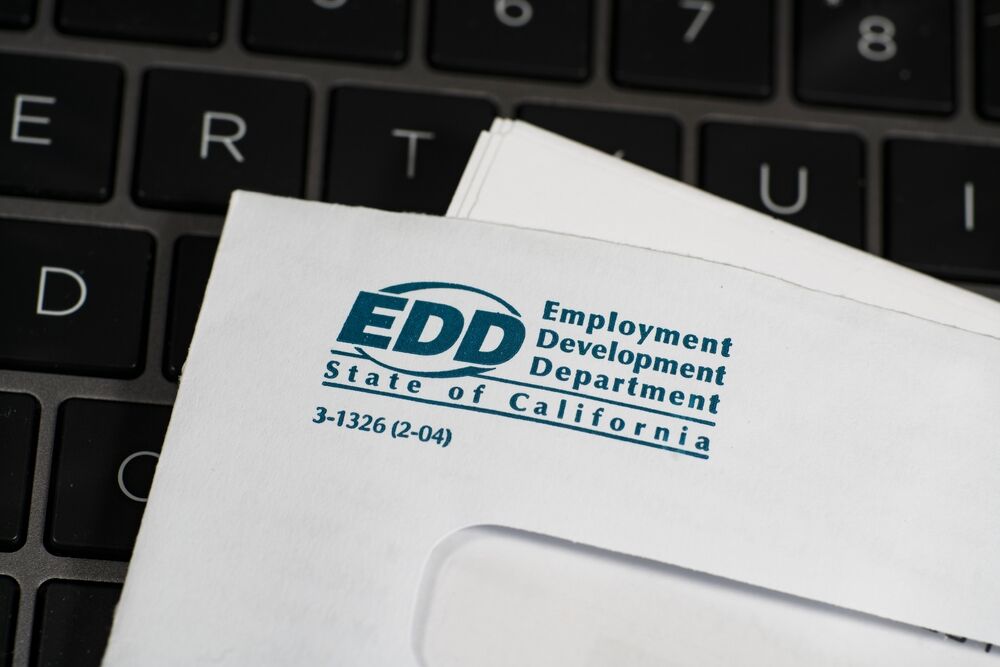
The Employment Development Department alone confirmed roughly $20 billion lost to outright fraud during the pandemic. Total overpayments are estimated at $55 billion. Roughly one in six pandemic-era unemployment dollars may have been fraudulent.
California still owes $21 billion on its federal pandemic unemployment loan — and it’s the last major state that still hasn’t fully repaid its pandemic unemployment loan. Nearly every other state has settled up—New York was among the last, paying off its debt in mid-2025. California hasn’t paid a dime of principal.
How the Money Walked Out the Door
The fraud mechanisms weren’t sophisticated. They were embarrassingly basic.
EDD dropped a key identity check during the pandemic, leading to more than $1 billion going out on claims with unverified identities. The federal government warned states twice in early 2020 to maintain fraud safeguards. California waited months to act.
Nine million benefit cards sent out for three million unemployed people. About $810 million went to people in prison because EDD never built a system to cross-check claims against jail records. Criminals used stolen Social Security numbers on a massive scale. The door was wide open.
The system was fragile before COVID even arrived. California charges its unemployment insurance tax on just the first $7,000 of each worker’s wages, a cap unchanged since the 1980s. Benefits have consistently capped tax collections in recent years. When the pandemic surge hit, the fund shattered instantly.
The problems didn’t end with the pandemic either. EDD’s error rate stayed above the federal government’s 10% threshold in both 2023 and 2024. Bad payments totaled $1.5 billion over those two years. The estimated fraud rate in 2024 was higher than pre-pandemic 2019.
The Hospice Hustle
Unemployment fraud gets the headlines, but there’s a separate massive fraud vector that has nothing to do with EDD.
LA County hospice providers increased 1,500% between 2010 and 2022, reaching six times the national average. LA County now has more hospice providers than 36 entire states. Medicare overbilling in the county totaled $105 million in a single year.
On March 23, 2026, the House Oversight Committee sent a formal letter to Governor Newsom requesting documents on hospice oversight. The LA Times first exposed bogus hospice providers back in 2020. Attorney General Rob Bonta has charged 109 individuals. But the scale of what grew during this period dwarfs the enforcement response.
Newsom imposed a hospice moratorium in 2021 and shuttered 280 providers. But when 1,500% growth meets 280 closures, the math still doesn’t work. The Centers for Medicare and Medicaid Services now monitors California alongside Arizona, Nevada, Texas, Ohio, and Georgia for hospice fraud.
Newsom’s Playbook: Litigate, Don’t Investigate
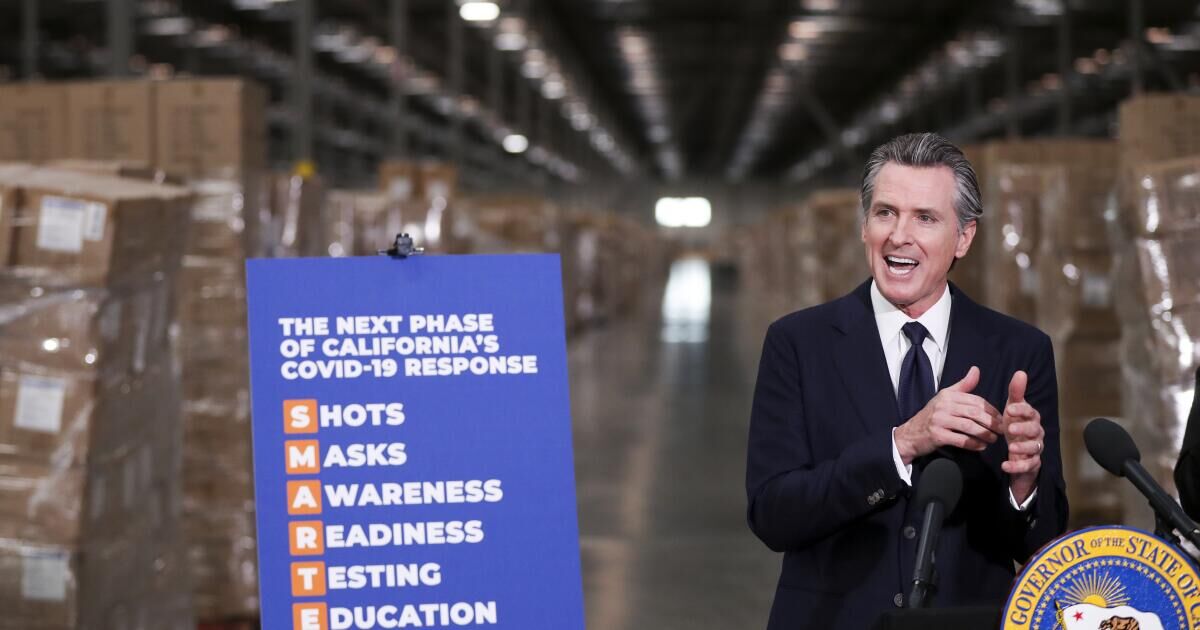
When Dr. Mehmet Oz pointed to dozens of alleged hospices operating along four blocks in Van Nuys, Newsom filed a civil rights complaint against him over comments about “Russian Armenian Mafia.” He didn’t address the underlying billing data. He went after the messenger.
When the Trump administration raised child-care fraud concerns, Newsom dismissed the claims as “deranged.” His consistent framing: “This is about polarization, politicalization, weaponization.”
When a man was arrested for fleecing LA’s homeless services program for $23 million, Newsom claimed credit for “exactly the kind of accountability the state has pushed for.” First Assistant U.S. Attorney Bill Essayli, the top federal prosecutor in Los Angeles, responded that no one made an arrest until he was appointed to investigate fraud in California.
Politics is ugly. But the fraud is documented by California’s own nonpartisan auditor, in reports that predate the current federal attention by years. You don’t get to dismiss the fire because you don’t like the person who called 911.
Sacramento Ignores Its Own Watchdogs
The State Auditor does the work. Sacramento ignores it. That’s not a partisan talking point. It’s documented.
California state lawmakers simply fail to act on 75% of the State Auditor’s recommendations. Three out of four warnings, ignored. Then Sacramento wonders why the feds showed up.
Democrats hold a supermajority in both chambers. No Republican has won statewide office in California since 2006. Dan Schnur, who teaches political communications at USC and UC Berkeley, put the structural problem plainly: “There is no shared responsibility here for Republicans. If you had a state in which Republicans were actually competitive, they would bear some responsibility for these problems.”
That’s the trap of one-party dominance. When nobody in the building has an electoral incentive to play watchdog, the watchdog’s reports collect dust. The State Auditor flagged EDD as high-risk in 2023. The label stuck through 2025. Nothing changed until the U.S. Department of Labor sent a “strike team” to California on February 18, 2026, citing increasing improper payment rates and data accuracy concerns. California was only the second state to receive one, after Minnesota.
The pattern across California government is depressingly consistent: spend massively, refuse to measure outcomes, attack anyone who audits. $37 billion on homelessness, and the homeless population grew 24%. $185 billion in unemployment benefits, with $32.6 billion potentially fraudulent. The mechanism is always the same: money goes out the door, nobody checks where it lands.
The Businesses Paying the Tab
Every dollar of fraud has a forwarding address. It lands on California employers.
Because California hasn’t repaid its $21 billion federal loan, employers face automatic hikes in the Federal Unemployment Tax Act rate every year. For 2025, California employers pay about $126 per worker in FUTA taxes, roughly three times more than employers in any other state. For a small business with 50 workers, that’s over $6,000 a year in extra costs, not because they did anything wrong, but because Sacramento can’t manage fraud.
What a Real Response Looks Like
The adult response to fraud allegations isn’t lawsuits. It’s investigation.
San Jose Mayor Matt Mahan, who’s running for governor, is building his campaign around exactly this principle. “Matt would not ask Californians to pay more in taxes until the state government does better with existing funds.” His platform calls for an independent Inspector General modeled on the federal IG system, which saved taxpayers over $71 billion in FY2024 alone, zero-based budgeting, and mandatory legislative votes on every State Auditor recommendation.
Even the LA Times acknowledged the fraud is real while noting some allegations are recycled or politically motivated. That’s a fair observation. The adult response: welcome investigations, cooperate fully, recover stolen money, fix the systems.
Newsom says he wants to be “a partner to go after waste, fraud and abuse.” The mechanism already exists. The State Auditor has been doing the work for years. California could start tomorrow by acting on the 75% of audit recommendations it’s been ignoring for a decade. Create real Inspector General oversight. Cooperate with federal investigators instead of filing lawsuits against them.
Every dollar stolen from unemployment, healthcare, and welfare programs is a dollar that didn’t reach a struggling family, didn’t fund a classroom, didn’t fix a road. The fraud is documented. The systems are broken. The only question left is whether Sacramento has the guts to open the books.
Related Links
-
Californians Shouldn't Have to Pay More Until Government Does Better (Matt Mahan for Governor)
-
Feds Expose California's $70 Billion Homeless Grift (Garry's List)
-
The Scandal of American Welfare Goes Beyond Fraud (Wall Street Journal)