A Tropical Disease Hit a Berkeley Homeless Encampment. Courts Blocked Cleanup.
Leptospirosis, common in underdeveloped countries, spread through Berkeley’s Harrison encampment—and courts continued to prevent cleanup efforts.
TL;DR
Rats spread leptospirosis through Berkeley’s last large encampment for 16 months while courts blocked cleanup. A legal system that threatens public health is not an effective one.
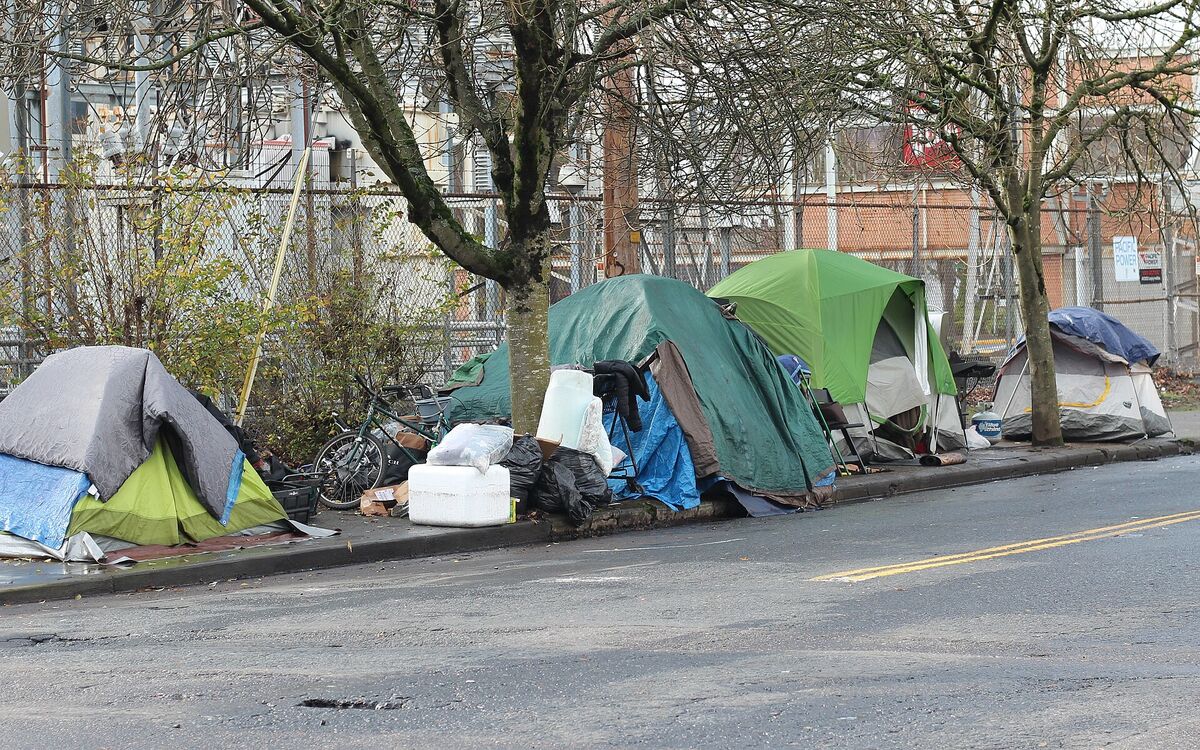
In November 2025, rats at Berkeley’s Harrison Street encampment tested positive for leptospirosis—a tropical disease common in underdeveloped countries. Two dogs also tested positive. But instead of ordering the immediate clearing of the site, a federal judge allowed an injunction to block cleanup for three months.
The encampment had long been a subject of controversy. In December 2024, the city tried to clear the site, but was prevented from doing so after the Berkeley Homeless Union sued.
Then, on January 6, 2026, Berkeley’s public health officer, Dr. Noemi Doohan, filed a court declaration, documenting the outbreak and pushing for encampment clearance. The court still took three more months to allow a cleanup. By the time Berkeley could act, it had been blocked from fully clearing the Harrison encampment for sixteen months.
A Disease That Shouldn’t Exist Here
According to the Berkeley Scanner, leptospirosis spreads through contact with infected water and mud, with rats and their urine as the primary vectors. The bacteria lives in soil for at least 30 days, meaning effective cleanup requires multiple rounds: rat baiting, carcass removal, and rebaiting. None of that can happen while a camp is occupied.
Berkeley issued a public health alert on January 12, 2026, strongly urging encampment residents to move at least a third of a mile from the infected zone. Codornices Creek runs adjacent to the area and hadn’t been tested for leptospirosis, and city officials warned the disease could spread into local wildlife if the rat population went uncontrolled.
Berkeley first announced plans to remove the Harrison encampment in December 2024. The Berkeley Homeless Union sued immediately, citing ADA disability claims. An injunction followed, blocking the full cleanup. In her January 6 court filing, Dr. Doohan stated the injunction had blocked the city “from implementing fully effective eradication efforts.” That was thirteen months after Berkeley first said the site needed to be cleared.
There is something worth sitting with here. Local doctors may not even recognize leptospirosis because it is “usually associated with tropical conditions.” Yet a federal court had to be persuaded, over months of briefing, that Berkeley should be permitted to do what any city in the developing world would do the next morning: deploy a rat crew.
What the Judge Finally Ruled
In three rulings over one weekend in April 2026, U.S. District Judge Edward Chen denied the “indefinite pause on abatement.” Berkeley could finally move to clear Harrison.
But the conditions attached to that clearance show exactly how broken this framework has become. The city must replace any survival gear it destroys, including tents, sleeping bags, and clothing. It must ensure 6-foot sidewalk clearance wherever displaced residents choose to relocate. It cannot tow vehicles without pursuing “less restrictive alternatives” first and making individual findings that each vehicle obstructs traffic. For 16 people with ADA disability claims, individualized assessments are required before any displacement.
Chen also found “no evidence” that any shelter-providing tent could fit within Berkeley’s standard 3x3 foot possession rule, effectively voiding that rule for disabled and non-disabled residents alike. Berkeley’s public space rules were not changed by any vote. A federal judge struck them in a ruling about one encampment.
The full trial will be held in October 2026. Berkeley has two Ninth Circuit appeals active.
Berkeley Homeless Union President Yesica Prado called this outcome hopeful: “The Court made sure that when we leave, we can take our tents, our vehicles, and still camp with each other without facing serial evictions. That is not nothing. That is hope.”
But hope that means remaining near an active rat-borne disease outbreak, in a zone where local doctors may not recognize the symptoms because the disease is “usually associated with tropical conditions,” is not protection. The injunction claiming to shield encampment residents kept them in a disease zone for over a year. The people most endangered by leptospirosis were the people living at Harrison.
The Framework That Broke the Bay Area
Berkeley is not an isolated case. The same Ninth Circuit precedent, Martin v. Boise (2018), has been interpreted at wildly different standards across California. Supervisor Joel Engardio’s analysis found that San Francisco was held to 100% shelter capacity before any tent could be removed. More than two dozen Southern California cities operate under a 60% threshold from a different judge’s reading of the same ruling. Same case. Same circuit. 40 percentage points of difference between what San Francisco must achieve and what Sacramento must achieve.


It’s not a crime to be homeless. We can offer shelter and services for unhoused people suffering from mental illness and drug addiction. Yet San Francisco’s empathy and generosity shouldn’t normalize tents in every public space. And if crime happens, there must be accountability. …
Jennifer Friedenbach of the Coalition on Homelessness has argued there’s a “huge disparity between how they’re talking publicly about their interpretation of the lawsuit and how the city attorney actually interpreted it.” Per the SF Standard, she believes cities have more enforcement latitude within existing injunctions than they claim. She may be right that cities don’t always exhaust every available tool. The SF Standard also reported that when San Francisco tried to challenge its own encampment injunction, city lawyers botched the procedural approach badly enough that the judge cited their own misstep as evidence against their stay request. A city responsible for a trillion-dollar tech economy couldn’t file a motion correctly.
But there is a difference between “cities should use every available tool under the current injunctions” and “the injunctions themselves are fine and should never be challenged on appeal.” Even granting Friedenbach’s point, the core problem remains. A public health officer filed sworn court declarations about a tropical disease outbreak in a city with full knowledge of germ theory. The judicial system was slow to respond.
The New York Times recognized in November 2024 that “Liberal Berkeley’s Toughened Stance on Homeless Camps Is a Bellwether.” The politics had already shifted. The courts hadn’t caught up.
The Berkeley Homeless Union’s attorney, Anthony Prince, general counsel for the California Homeless Union, says the case is “still very much alive” heading into the October 2026 trial. The Union has asked Mayor Adena Ishii to place a resolution on the Berkeley City Council agenda to rescind Berkeley’s two Ninth Circuit appeals. Those appeals challenge whether the Berkeley Homeless Union had standing to sue in the first place, whether ADA claims can block a public health cleanup indefinitely, and whether Judge Chen’s serial injunction extensions violate circuit precedent. These are real questions of law. Their answers affect every city in this circuit.
Medieval cities couldn’t stop plague because they lacked germ theory. We have germ theory. We know exactly what leptospirosis is, how it spreads, and what cleanup requires. The only thing that stopped Berkeley was a legal theory applied inconsistently by different judges interpreting the same circuit court precedent.
The city that helped build the tools reshaping human civilization cannot eradicate a rat colony without a federal court’s permission. That is not bureaucratic frustration. That is a governance failure with measurable public health consequences. Mayor Ishii should refuse to drop the Ninth Circuit appeals. If those appeals succeed, the entire Bay Area benefits from a clearer legal framework. If Berkeley drops them under activist pressure, we will be having this exact conversation about the next encampment, the next outbreak, the next sixteen months.
Take Action
Tell Mayor Ishii: Don't Drop Berkeley's Ninth Circuit Appeals
Related Links
-
Berkeley can clear Harrison encampment, judge says (Berkeley Scanner)
-
Deadly bacteria outbreak at Berkeley homeless camp (Berkeley Scanner)
-
Joel Engardio: The tent on Sunset and the court injunction (Engardio.com)