Oakland’s Coliseum Fiasco: Managed by Clowns
In 2013, three pro sports teams and big dreams. In 2026, an empty stadium nobody will buy.
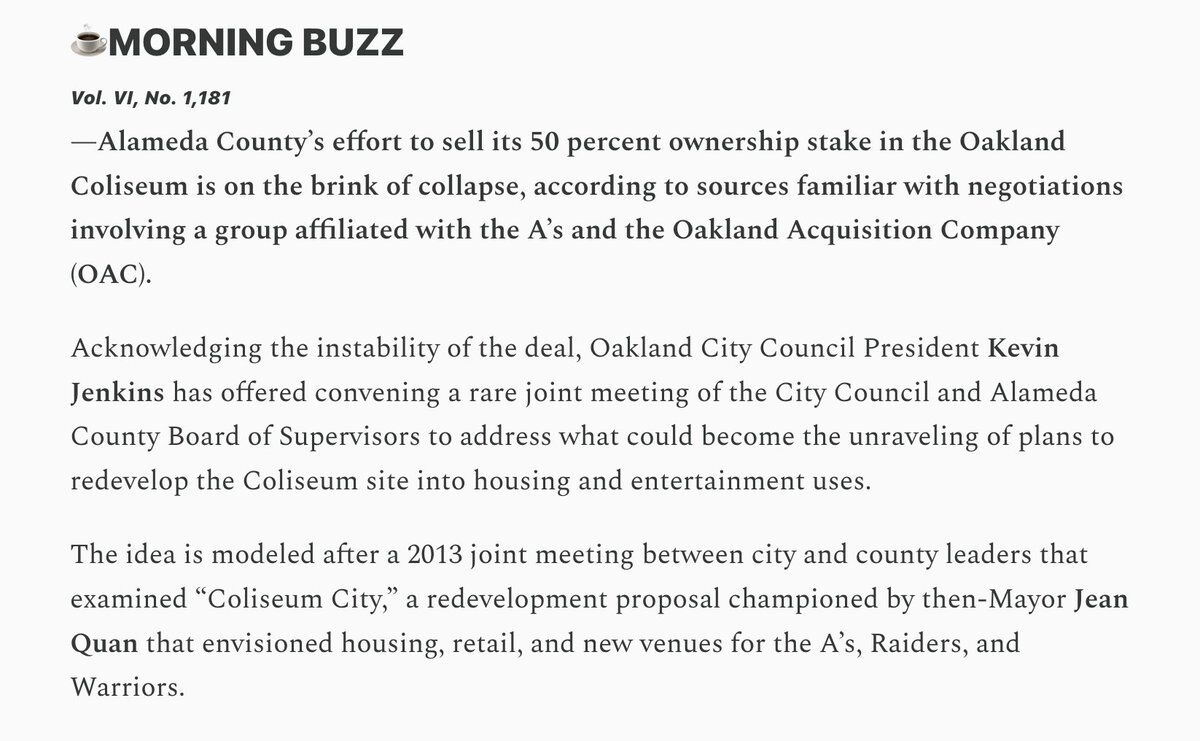
Source: x.com
Source: x.com
TL;DR
Oakland lost the Raiders, Warriors, and A’s over 13 years—and now the city can’t even sell the empty Coliseum as the $125 million deal collapses.
In 2013, Oakland had three pro sports teams and grand plans for Coliseum City. In 2026, everyone’s gone—and the city can’t even find a buyer for the empty stadium.

City of Oakland managed by clowns. Imagine in 2013: new venues for the A's, Raiders and Warriors. 2026: Everyone left, and nobody even wants to buy the emptied out husk of land. Local elections matter. Pay attention to local elections and hold your local leaders to account.

Small time grifters? @aaseg "deal' to buy the Oakland Coliseum is likely dead. The group talked a good game, threatened opponent, and now can't raise the $$$. Another failure of electeds to see that this group didn't have two nickles to rug together open.substack.com/pub/eastbayinsiders/p/coliseum-deal-is-almost-dead?utm_campaign=post-expanded-shar…
From Three Teams to Zero
The decline has been breathtaking. Back in 2013, then-Mayor Jean Quan championed “Coliseum City"—an ambitious redevelopment proposal that envisioned housing, retail, and shiny new venues for the A’s, Raiders, and Warriors. City and county leaders held a joint meeting to examine the possibilities. Oakland was going to become a sports and entertainment destination.
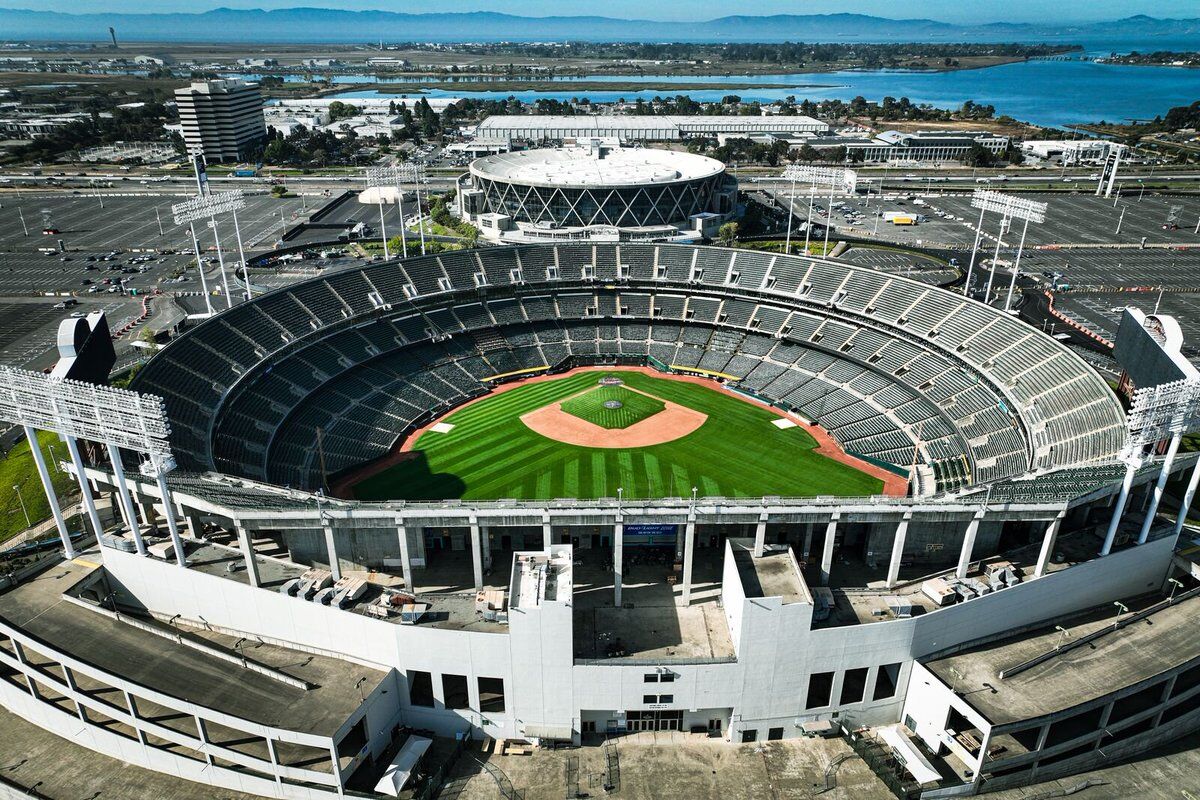
Fast forward to 2026: The Raiders decamped to Las Vegas. The Warriors crossed the bay to San Francisco’s Chase Center. The A’s packed up for Sacramento. The Coliseum site that once hosted all three is now what the critics call an "emptied out husk"—and incredibly, nobody even wants to buy it.
The Coliseum Deal Collapses
According to East Bay Insiders, the Oakland Acquisition Company (OAC) agreed to buy Alameda County’s 50% stake for $125 million back in July. But OAC has repeatedly missed payment deadlines and milestones required to complete the purchase.
Oakland City Council President Kevin Jenkins is now proposing an emergency joint meeting with the Board of Supervisors—a last-ditch effort modeled after that optimistic 2013 convening. The difference? In 2013, they were planning for a bright future. In 2026, they’re desperately trying to salvage something from the wreckage.
PR executive Sam Singer didn’t mince words, calling OAC "small time grifters” who “talked a good game, threatened opponents, and now can’t raise the $$$.” The elected officials who championed this deal failed to do basic due diligence.
A Pattern of Policy Failure
The Coliseum saga isn’t an isolated incident—it’s part of Oakland’s broader pattern of policy failures with real financial consequences for taxpayers.
Archived tweetI mean absolutely incredible, no notes https://t.co/YLqR7Mr62O [Quoting @PInstinctx]: @garrytan Don't forget the massive judgement against the city for trying to block coal exports. That was an incredibly dumb decision by elected officials. https://t.co/KftFqSVuWJ
Garry Tan @garrytan January 27, 2026
Oakland faces a massive judgment for attempting to block coal exports—virtue signaling that ended up costing the city dearly in court. These aren’t abstract governance debates. They’re decisions that drain city coffers while residents watch services decline.
The Oakland Coliseum saga is a cautionary tale about what happens when local leaders prioritize politics over pragmatism. Pay attention to your local elections—the decisions made by city councils and supervisors have lasting consequences that take decades to undo.
Follow @garrytan for more.
Related Links
-
Coliseum deal is 'almost dead' (East Bay Insiders)
-
Garry Tan on Oakland's Coliseum failure (@garrytan)
-
Sam Singer on OAC deal collapse (@samsinger)
Comments (0)
Sign in to join the conversation.